Key Takeaways
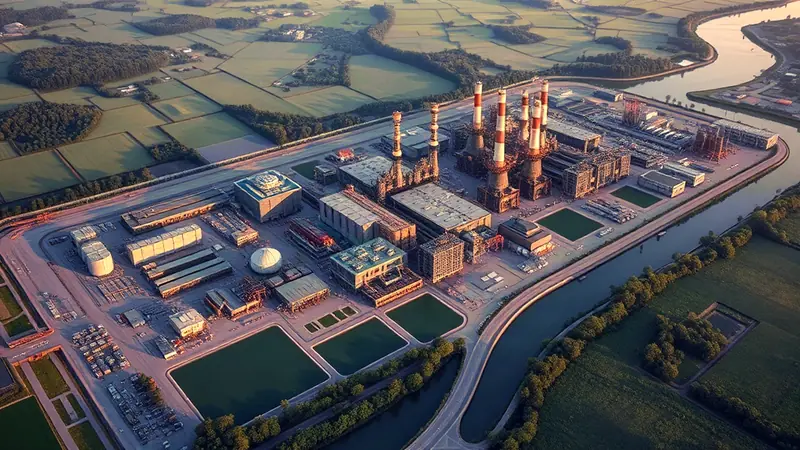
- Productivity: lettuce output inside sealed modules has grown by more than six times compared to traditional methods, saving 12 liters of water for every 100 grams of produce.
- Technology: the startup Plantx has opened its first demonstration facility in Tokyo for its modular "plant factory," capable of controlling 28 environmental variables per unit.
- Institutional backing: the project is one of 17 priority strategic areas identified by the Japanese government, with industrial partnerships already underway with KOBASHI and Rohto Pharmaceutical.
A sealed facility for controlled cultivation
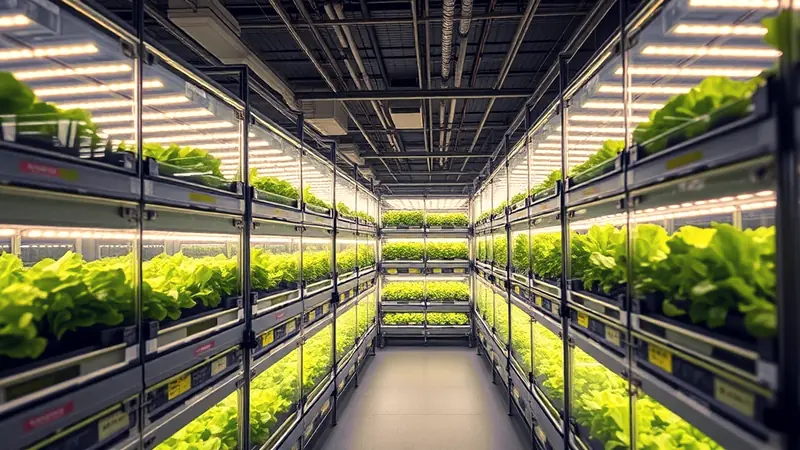
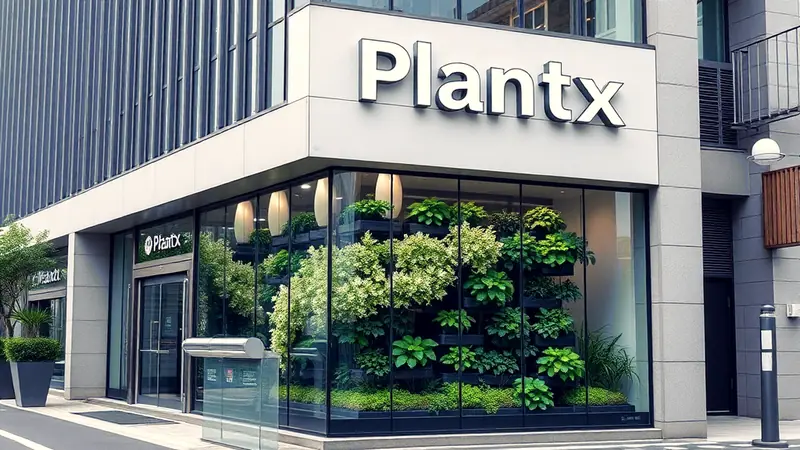
Japanese startup Plantx has opened its first demonstration "next-generation plant factory" in Tokyo. The system relies on hermetically sealed modules, stackable like shipping containers, where crops are grown without soil, without pesticides, and without any contact with the outside environment. Each unit independently manages its own light, air, and water supply.
Twenty-eight variables under control
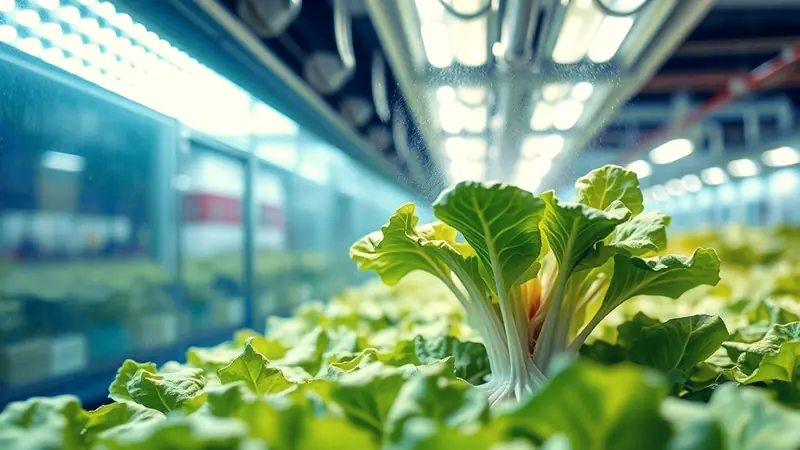
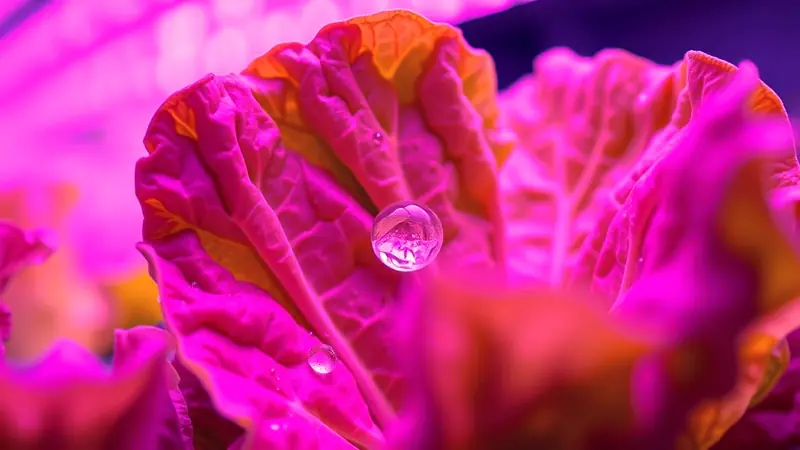
The system works by simultaneously regulating 28 environmental variables: temperature, humidity, wind speed, CO₂ concentration, nutrient flow, and light intensity. This level of precision has, according to figures released by the company, driven lettuce output up by more than six times compared to traditional methods over a decade, while saving 12 liters of water for every 100 grams of produce grown.
Nutritional profiles adjusted on demand
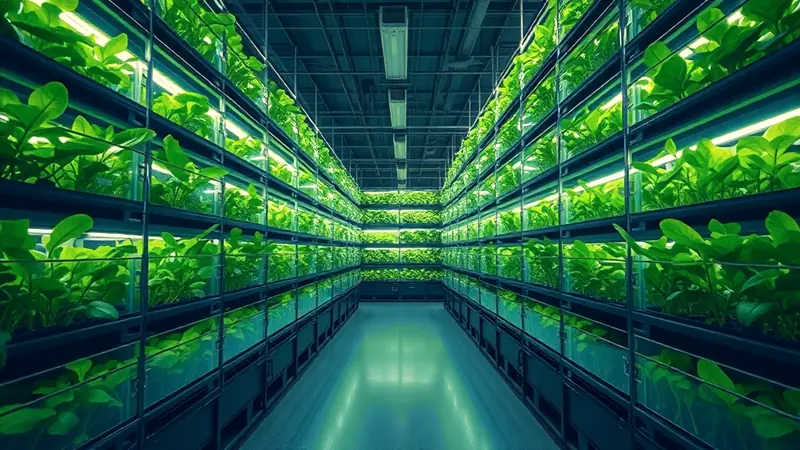
Full environmental control makes it possible to shape the taste and nutritional profile of plants through what the company calls "growing recipes." Growers can replicate the flavor characteristic of a specific region or boost the concentration of particular active compounds. Building on this capability, Plantx has launched a collaboration with Rohto Pharmaceutical and the National Institute of Health Sciences to grow medicinal plants under controlled conditions, including Korean ginseng (Panax ginseng), with the aim of ensuring a stable supply of active ingredients for the pharmaceutical industry.
Government support and industrial partnerships
The Ministry of Agriculture, Forestry and Fisheries has named the technology one of 17 priority strategic areas for national investment, awarding Plantx a grant through the SBIR Phase 3 program. The facility's opening on July 8, 2026, was attended by Agriculture Minister Norikazu Suzuki, while Prime Minister Sanae Takaichi addressed the event via video message, setting a target of capturing 30% of the global food-tech market by 2040. For standardization and industrial-scale distribution, Plantx has signed an agreement with the KOBASHI Group, a specialist in agricultural machinery.
Looking ahead
Plantx president Kosuke Yamada said that demand for agricultural automation is stronger abroad than on the domestic market, underscoring the project's international ambitions. According to the company, the modules are designed for use in urban settings, desert regions, and, looking further ahead, extraterrestrial environments, where conventional food production is not an option.