
Key Points
- The star ingredient: Santol (known in Thailand as Krathon) is a tropical fruit with a complex flavour profile, characterised by simultaneous sour, spicy and sweet notes.
- Traditional technique: The preparation involves the use of a mortar and a dressing based on pla ra, the celebrated fermented fish sauce typical of Northeastern Thai cuisine.
- Global trend: Fermented tropical fruits and Isaan-style preparations are gaining ground on high-end fusion restaurant menus across Europe and North America.
Santol: when acidity becomes an art form
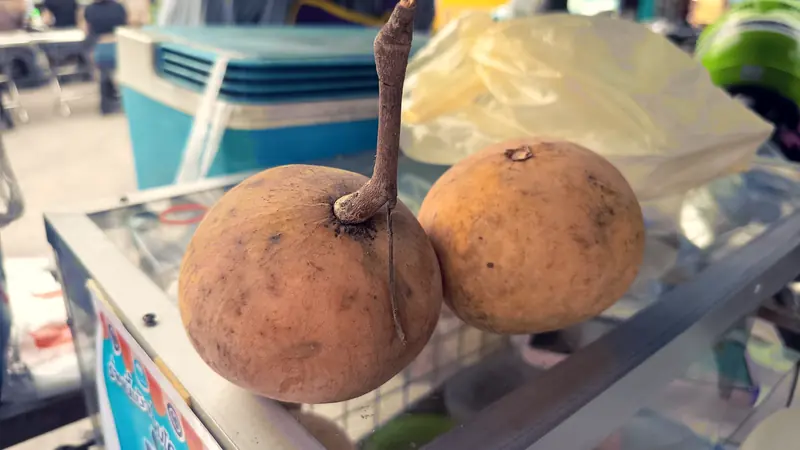
There is a corner of Thai cuisine that the Western world still struggles to decode, and it goes by the name of Santol. Known locally as Krathon, this tropical fruit with its tough outer skin conceals a flesh capable of challenging any palate accustomed to the reassuring sweetness of European fruit. Even before you can taste it, it demands respect: it must be peeled carefully and rinsed immediately under running water, a ritual gesture that already speaks to its wild and powerful nature.
A dressing that leaves no room for compromise

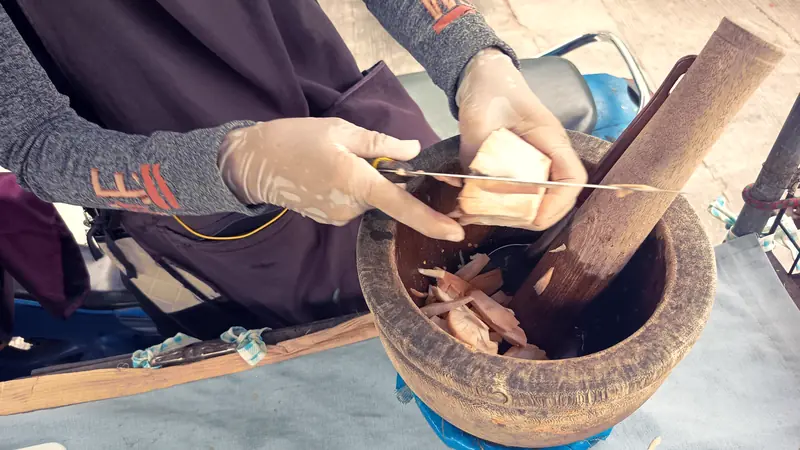
The true soul of the recipe lies in the dressing, built upon a precise and almost alchemical balance. Chilli, garlic, palm sugar, fermented fish sauce pla ra, classic fish sauce and a touch of monosodium glutamate are blended together with method. The Santol is then roughly chopped and entrusted to the mortar — the sacred tool of Isaan cooking — which breaks down the fibres and forces the fruit to absorb every nuance of the dressing.
A sensory profile worth rediscovering
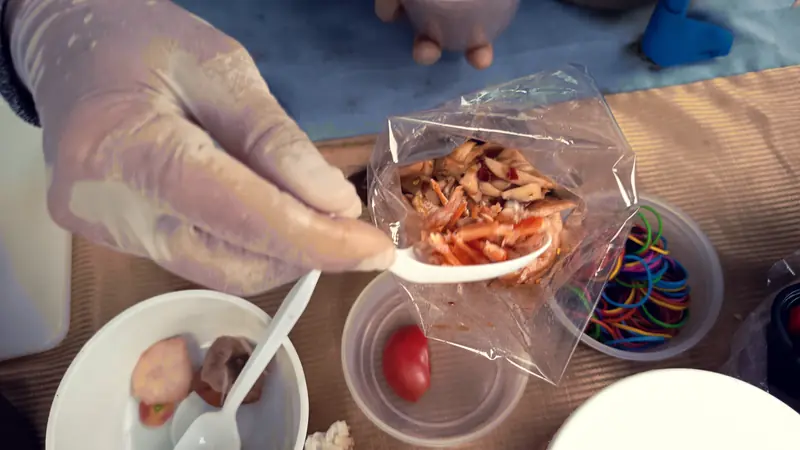
The final result is a dish that offers no middle ground: sour, spicy, with a barely-there sweetness that arrives at the finish like a moment of truce. In the gastronomic landscape of 2026, where fine dining seeks radical authenticity beyond already well-trodden routes, preparations like this one represent a tangible frontier. Nielsen data on the Asian fermented ingredients market records a 34% growth in European imports over the past two years.