
Key Takeaways
- The Washoku diet as a biochemical system: Traditional Japanese cuisine is not gastronomic folklore, but a nutritional architecture optimised over centuries of empirical selection.
- Japan exports a model, not just food: With the world's highest average life expectancy, Washoku now represents a geopolitical asset and a benchmark for the global functional food industry.
Washoku: The Japanese Diet Is the True Operating System of the Human Body
In 2026, while the global pharmaceutical industry burns billions on research into GLP-1 and synthetic longevity, Japan sits quietly atop an answer that has existed for centuries. Washoku — the traditional Japanese diet — is not an Instagram wellness trend. It is a layered biochemical system, built around fermentation, nutritional density and metabolic optimisation (a process that maximises cellular energy efficiency). Ignoring it in 2026 is not a failure of cultural romanticism: it is an analytical error.
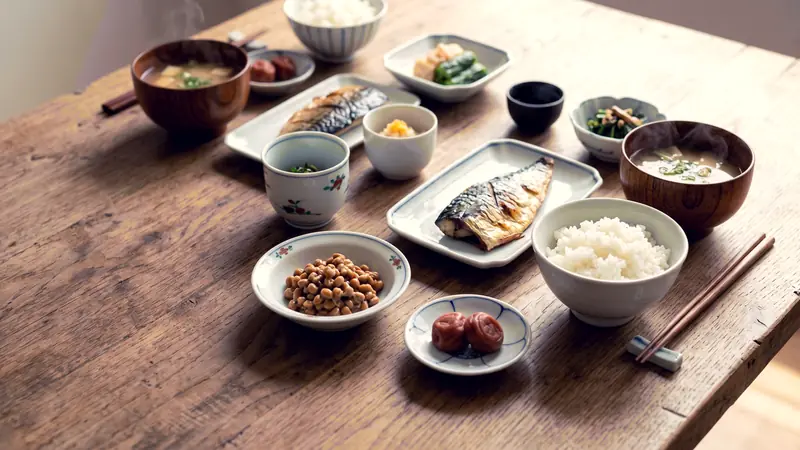
Fermentation: The Microbiome as Infrastructure
The invisible cornerstone of Washoku is fermentation. Natto — fermented soya beans with a gelatinous appearance that divides public opinion — contains Nattokinase, a fibrinolytic enzyme (one that dissolves blood clots) with documented cardiovascular effects. It is also the densest natural source of Vitamin K2 in the MK-7 form (menaquinone-7), a molecule crucial for directing calcium towards bones and away from arteries. Miso, a fermented paste of soya and grains, delivers a cocktail of probiotics, digestive enzymes and free amino acids that actively modulate cholesterol through linoleic acid and saponins. Umeboshi — salted and fermented plums — act as systemic alkalising agents (substances that reduce bodily acidity), reducing muscle fatigue through the Krebs cycle (the chain of reactions that produces energy in cells). The aggregate result of these foods is a robust gut microbiome (the bacterial ecosystem of the digestive tract) that strengthens the GALT, or gut-associated lymphoid tissue (the immune system localised in the intestine). In an era where gut dysbiosis is correlated with conditions ranging from depression to type 2 diabetes, this is not Eastern philosophy: it is biological infrastructure.
Matcha and Tea: Nootropics Before the Word Existed
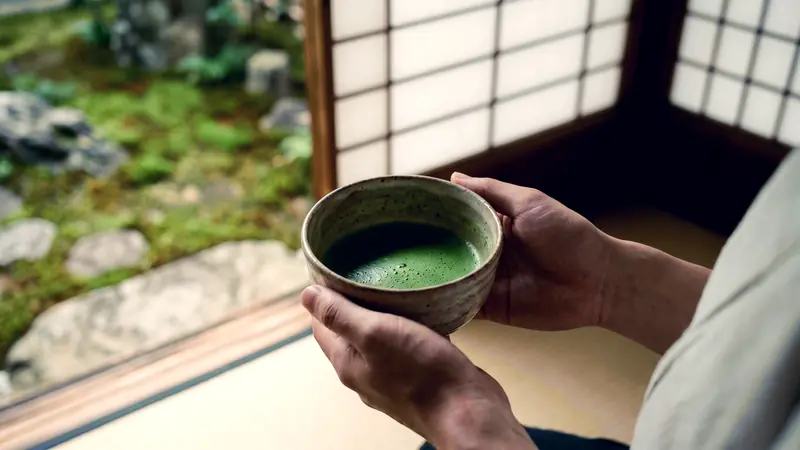
Derivatives of Japanese Camellia sinensis — cultivated using shade-growing techniques that alter the plant's phytochemical profile — represent perhaps the most compelling documented case of a natural nootropic (a substance that enhances cognitive function). Matcha concentrates exceptional quantities of EGCG (Epigallocatechin gallate), a catechin (plant-based antioxidant) that promotes thermogenesis (metabolic heat production that burns calories) and neutralises free radicals. But the true competitive differentiator is L-Theanine: an amino acid that crosses the blood-brain barrier (the filter that protects the brain from external substances) and induces alpha brain waves, producing a state of relaxed focus without the cortisol spikes typical of isolated caffeine. Gyokuro and Sencha complete the picture with a modulated caffeine release that supports endothelial function (the health of the inner lining of blood vessels). Silicon Valley discovered this mechanism in 2018. Japan has been practising it for four hundred years.
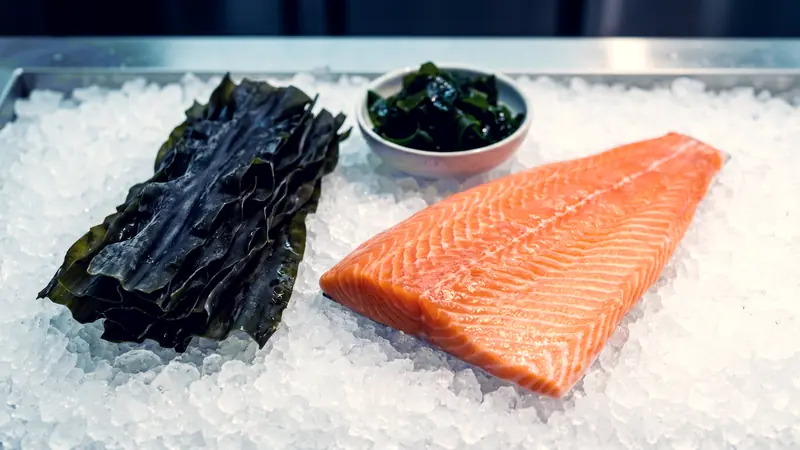
The Ocean as Pharmacy: Fish, Seaweed and Marine Micronutrients
The consumption of ocean-derived foods is the primary vector through which Washoku integrates essential fatty acids and trace minerals. Eating salmon, tuna or mackerel raw — in sushi or sashimi — preserves the structural integrity of Omega-3s in the EPA and DHA form (essential fatty acids for neuronal membranes). These lipids are systemic anti-inflammatories (reducing inflammation throughout the body) and fundamental structural components of brain cell membranes. Sea vegetables — Wakame, Kombu, Nori, Hijiki — are superfoods with an almost negligible caloric impact. They supply bioavailable iodine (readily absorbed by the body) for the synthesis of thyroid hormones T3 and T4, fucoidan (a polysaccharide studied for its immunomodulatory and anti-tumour properties) and alginate, which acts as a chelating agent (a substance that captures and removes) for heavy metals in the digestive tract. In a context of increasing environmental exposure to pollutants, this detail is far from marginal.
Medicinal Mushrooms: Adaptogens Before the Age of Adaptogens
Shiitake contains Lentinan, a high-molecular-weight beta-glucan (a complex molecule that activates immune defences) capable of stimulating macrophages and T lymphocytes. It is also a rare non-animal source of Vitamin D precursors when exposed to UV rays. Maitake and Reishi, meanwhile, function as regulators of glycaemic homeostasis (blood sugar balance) and adaptogens (substances that help the body manage stress) for the modulation of chronic cortisol. In a global adaptogens market worth over 14 billion dollars in 2026, these mushrooms are not exotic curiosities: they are the original product from which everything else is derived.
The Macroeconomic Point Nobody Wants to Make
Joining the dots is straightforward. Japan has the highest life expectancy in the world, per capita healthcare spending lower than that of the United States, and a structurally lower incidence of chronic metabolic diseases. Washoku is not one of the variables: it is the variable. While the West monetises illness with four-figure monthly drug costs, Japan has built an edible preventive system. In 2026, with global healthcare systems under unsustainable fiscal pressure, replicating this model is not romantic orientalism. It is the most rational move on the table.