Key Points
- Historic comeback: Kawasaki brings two-stroke motorcycles back to market after more than 20 years of absence from the segment.
- Strategic counter-trend: The move comes in the midst of the electrification era, openly challenging the dominant paradigm of the motorcycle industry.
- Market impact: The decision officially reopens the debate on the commercial survival of two-stroke combustion engines in the road and sport segment.
The return of the two-stroke: Kawasaki challenges twenty years of history
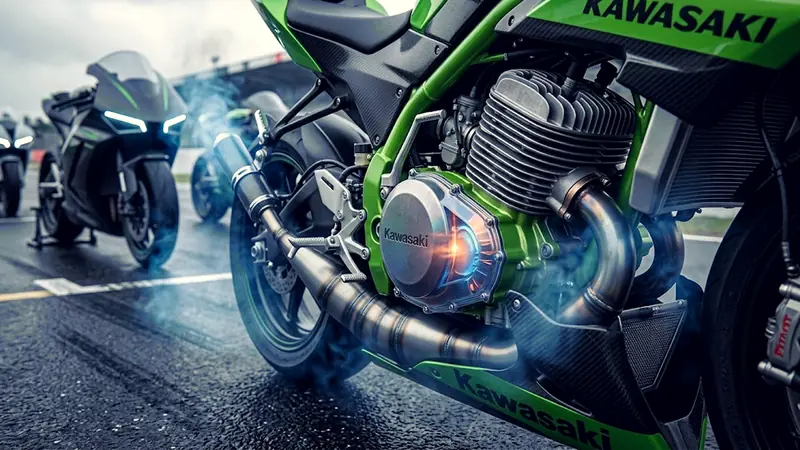
While the entire two-wheel industry races toward electric, Kawasaki deliberately chooses the opposite direction. The Japanese manufacturer has announced the launch of new motorcycles equipped with two-stroke engines, breaking a silence of over two decades on this engine architecture. A choice that many would have called suicidal until a few years ago, but which today takes on the shape of a calculated move in an increasingly fragmented market.
A niche that never died
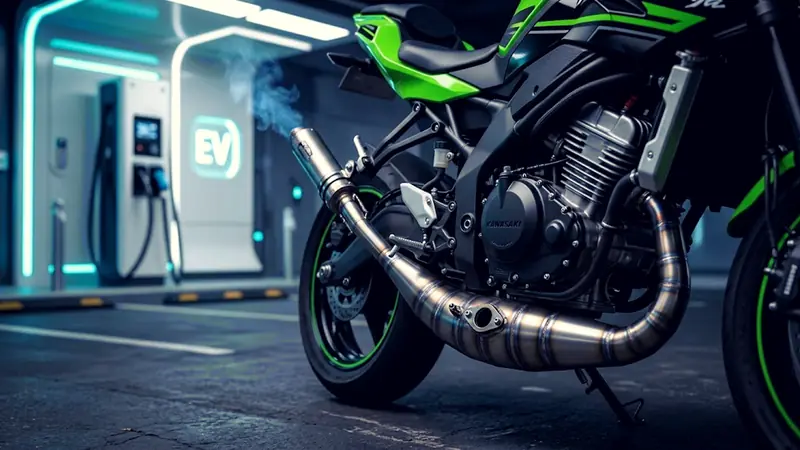
The two-stroke engine has never stopped captivating a hardcore segment of motorcycle enthusiasts — those who prioritize an extreme power-to-weight ratio and the visceral response of the powerplant over any consideration of comfort or emissions. Kawasaki has evidently read market data confirming this latent demand, choosing to capitalize on it before anyone else does. The move fits into a context where the "all-electric" narrative is showing its first cracks, with consumers demanding more immediate and engaging alternatives.
Industrial provocation or long-term vision
Calling it mere nostalgia would be an analytical mistake. Kawasaki is building an alternative brand positioning, betting on a technology that competitors have abandoned and which now represents an almost untouched territory. On the regulatory front, the challenge remains open: Euro 5+ emissions standards are the real litmus test for determining whether these new two-strokes will be able to circulate freely in the main European markets. The full technical details expected in the coming months will determine the true commercial scope of the project.