
Key Takeaways
- Pitti Uomo 110 sets the agenda: Florence reaffirms its role as the capital of menswear, with trends that look to the future while honouring Italian craftsmanship.
- Lace takes over the runways: Traditional lace (a delicate openwork fabric crafted by hand) returns as a leading force in contemporary men's and women's fashion, reinterpreted for a modern sensibility.
Pitti Uomo 110, Thai Fashion and the Return of Lace: The Fashion World Reinvents Itself
Florence at the Centre of the World: Pitti Uomo 110 Charts the Course of Menswear
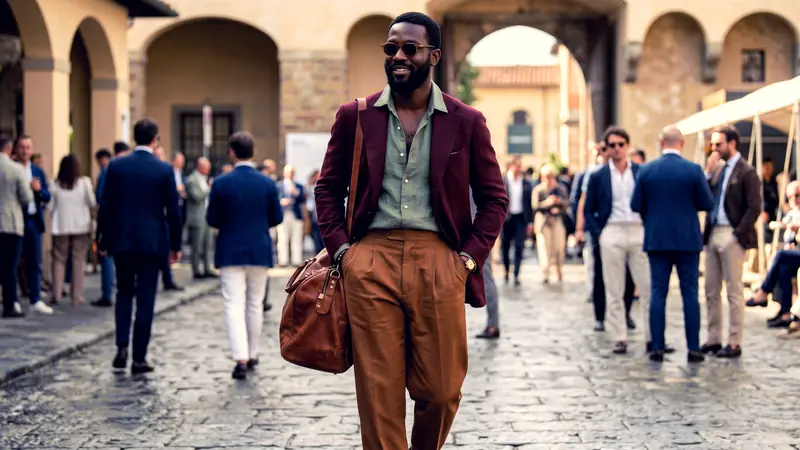
The one-hundred-and-tenth edition of Pitti Uomo, the international trade fair dedicated to menswear held annually at the Fortezza da Basso in Florence, has once again confirmed its status as an unmissable event for anyone seeking to understand where the contemporary man's wardrobe is headed. The 2026 edition struck a masterful balance between two seemingly opposing forces: on one side, Italian sartorial tradition with its fine fabrics and artisanal techniques; on the other, a vision directed towards a future in which sustainability and material technology (the capacity of fabrics to reduce environmental impact) are no longer optional extras but fundamental requirements. Among the most widely discussed trends was the return of deconstructed tailoring (jackets stripped of linings and internal reinforcements), which abandons classical rigidity in favour of a more fluid and contemporary silhouette. The dominant colours? Warm earthy tones, sage green, and an unexpected comeback for deep burgundy, rendered in monochromatic ensembles of striking visual impact.
The Male Wardrobe Goes Fluid: The Key Trends from Pitti 110
Among the most significant elements to emerge from the Florentine runway shows and showrooms was the definitive consecration of male layering (the technique of wearing multiple garments on top of one another). This is not simply a matter of piling on extra layers, but of constructing an outfit with a precise narrative logic, in which each piece communicates with the others in terms of texture, weight and colour. The Italian brands in attendance demonstrated an absolute command of this technique, presenting combinations of fine knitwear, linen shirts and lightweight outerwear that appear designed for a man perpetually moving between different contexts. Equally noteworthy was the overwhelming presence of oversized accessories (deliberately exaggerated in scale), from travel bags to raw leather belts, which redefine the concept of masculine elegance without sacrificing functionality.
Thailand Conquers the Global Runways: A New Fashion Powerhouse
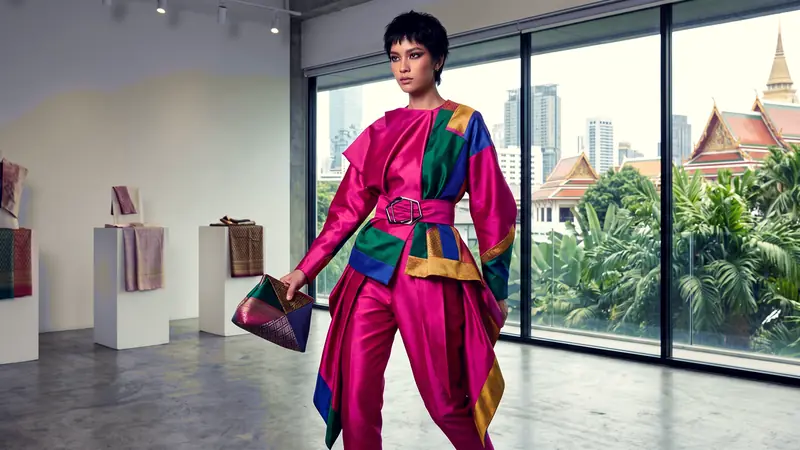
Thousands of miles from Florence, another quiet revolution is reshaping the international fashion landscape. Thai designers are experiencing a moment of extraordinary global visibility, drawing on a millennia-old textile tradition that is meeting a fresh and surprisingly contemporary aesthetic vision. Labels such as Asava and Kloset have already secured shelf space in the most exclusive multi-brand boutiques (stores carrying several different labels) in London, Tokyo and New York, bringing with them an aesthetic that fuses the refinement of Thai silk fabrics with ultra-modern cuts and a bold chromatic palette. The Thai government has invested significantly in supporting local fashion through internationalisation programmes, and the results are becoming clear: exports in the fashion sector have grown steadily over the past three years, positioning Thailand as one of the most compelling emerging markets in the industry.
Lace is Reborn: An Ancient Fabric Conquers Contemporary Fashion
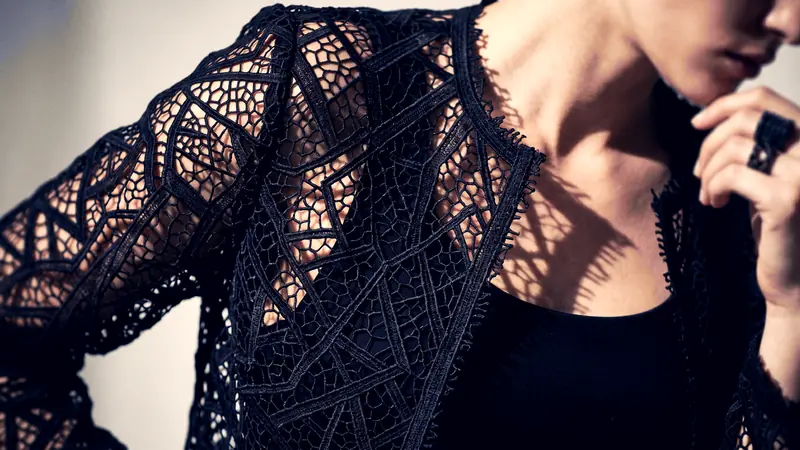
If there is one material that perfectly embodies the spirit of this season, it is undoubtedly lace — the delicate openwork fabric featuring intricately interlaced decorative motifs. After years of relative obscurity, this extraordinarily complex textile is experiencing a renaissance that goes far beyond mere nostalgia. The most visionary designers are reinterpreting it in a thoroughly contemporary key: no longer confined to lingerie or ceremonial gowns, but appearing in jackets, trousers and even coats in which lace takes centre stage. The French maison Valentino led the charge with a collection that set the entire industry talking, but it is above all the younger independent designers who are pushing the boundaries of this material, experimenting with unexpected colourways such as matte black, off-white and metallics (fabrics woven with interlaced metallic threads).
Three Worlds, One Vision: The Future of Fashion is Plural
Viewing these three stories together — Pitti Uomo 110, Thai fashion and the return of lace — a powerful and unequivocal common thread emerges: the fashion of 2026 no longer tolerates rigid hierarchies between tradition and innovation, between West and East, between masculine and feminine. The contemporary consumer is sophisticated, curious and increasingly unwilling to accept one-dimensional narratives. They want garments that tell authentic stories, that carry a recognisable cultural heritage while still retaining the capacity to surprise. In this sense, lace returning to the Parisian runways, Bangkok designers winning over international buyers (professional purchasing agents for luxury retailers) and Florentine tailors reinventing classic tailoring are all saying the same thing: the future of fashion belongs to those who know how to listen to the past without being imprisoned by it.