Key Takeaways
- Tech trickle-down: The Asics NovaBlast 5 runs on FF Blast™ Plus ECO foam with over 24% bio-based content (materials derived from renewable sources), pushing elite-level tech into everyday training shoes.
- Carbon plates go mainstream: The Hoka Skyward X2 packs a dual carbon plate into an oversized PEBA foam stack (a lightweight, highly responsive foam), while On's Cloudboom Strike 2 drops below 180 grams by ditching the traditional upper entirely.
- AI-driven design: Mizuno and Brooks are now using generative algorithms and predictive biomechanical models to fine-tune outsole geometry and midsole density.
The Six Months That Rewrote the Rulebook
Running in 2026 isn't playing by the old rules anymore. The first half of the year shattered the line between training shoe and race-day weapon, in a technological escalation that would have sounded like science fiction for the weekend jogger just a few years back. Today's park runner can tell a nylon plate from a carbon one, knows the difference between PEBA and EVA foam, and expects the same obsessive engineering from their brand that was once reserved exclusively for podium finishers. The market answered the call, and it didn't hold back.
Super-Foams Step Off the Pedestal
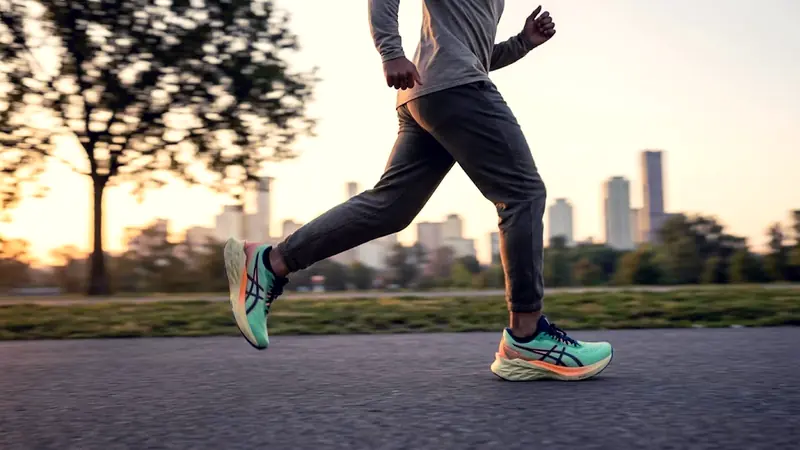
The most talked-about story of the semester carries Asics's signature. With the NovaBlast 5, the brand put a compound on the everyday shelf, FF Blast™ Plus ECO, that clears 24% bio-based content while still delivering top-tier bounce. This isn't gear you save for race day anymore. It's the shoe you lace up every morning before your coffee. New Balance is moving in lockstep, reworking its Fresh Foam X line with the 1080v14, redesigning the outsole geometry for a smoother heel-to-toe transition, whether the wearer is a first-time jogger or a seasoned marathoner on a recovery run. The takeaway is unmistakable: super-foams have stopped being a luxury reserved for the few and have become the baseline every box on the shelf is expected to deliver.
Carbon Everywhere, Even Where You Wouldn't Expect It
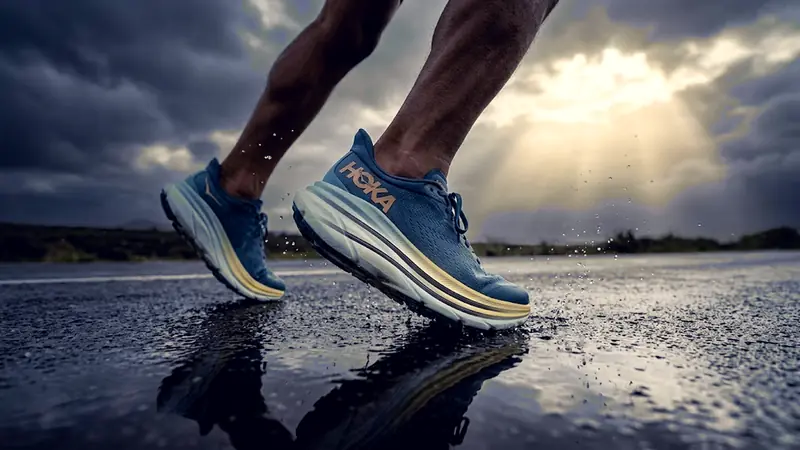
Not long ago, a carbon plate meant one thing only: an aggressive, no-mercy race-day shoe. 2026 has bent that rule completely out of shape. Hoka's Skyward X2 tucks a dual carbon plate inside a generous stack of PEBA foam, building a training shoe engineered for long prep sessions, minus the brutality of a record-chasing racer. Saucony followed the same instinct with the Endorphin Trainer 2, pairing a nylon plate with PWRRUN HG foam (a high-energy-return midsole compound): a hybrid that protects the joints without sacrificing the snap runners chase with every stride. Race-day technology has quietly moved into daily training, no permission asked.
New Names Knocking on the Door
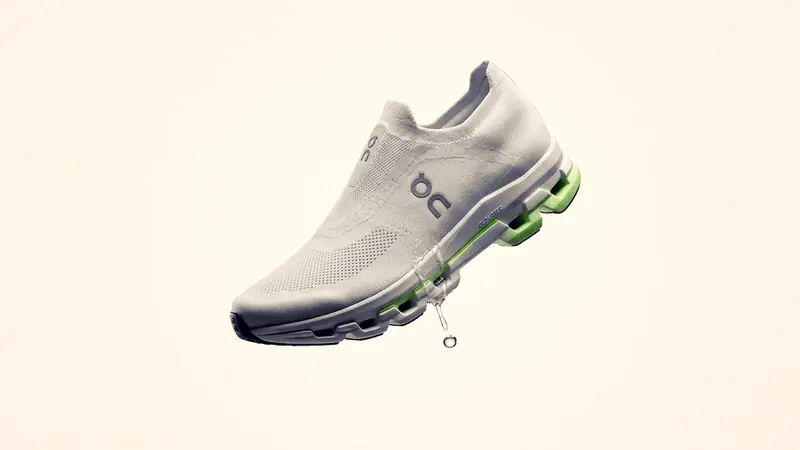
This isn't a closed club anymore. Among this semester's standouts is Li-Ning, whose Feidian lineup has reached remarkable technical sophistication, built on in-house PEBA foams and outsole geometries calibrated with artificial intelligence. Swiss brand On answered by doubling down with the Cloudboom Strike 2, a race shoe that scraps the traditional upper altogether in favor of a sock-like construction in thermofused yarn, dropping below 180 grams. The running shoe market is no longer territory owned by a handful of legacy giants. Competition has widened, and it's turned fierce.
Sustainability: No Longer a Footnote, Now a Driver
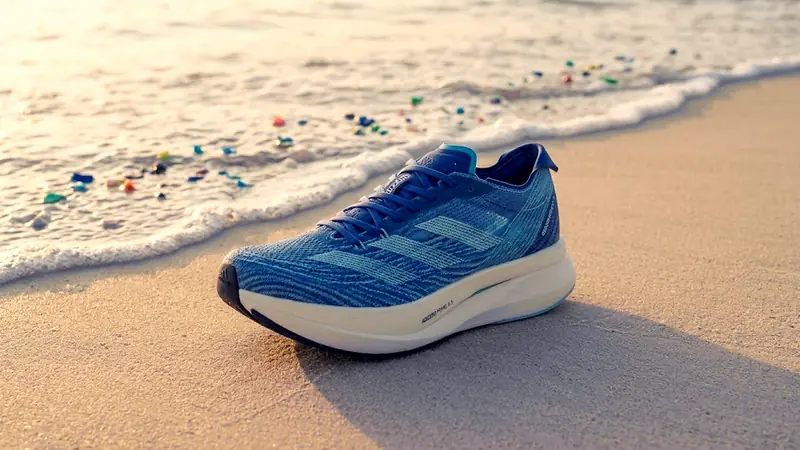
Anyone who assumed sustainability was just a label sticker should think again. Adidas launched the Adizero Prime X 3 Strung with an upper built entirely from recycled polyester reclaimed from ocean waste, without giving up an inch on breathability or structure. Nike countered with the Pegasus Premium Air, whose midsole holds 40% regenerated materials while keeping the iconic Air Zoom units visible at heel and forefoot fully intact. The eco-friendly shoe is no longer a downgrade. It's become a proving ground for genuine innovation.
Artificial Intelligence Is Now Drawing the Outsoles
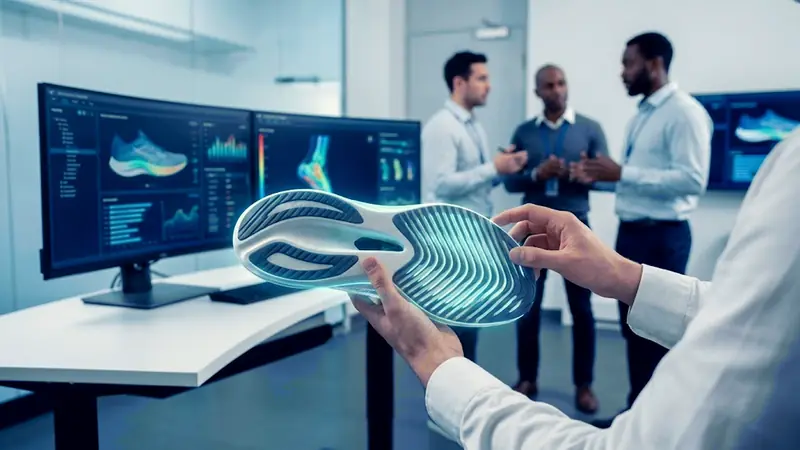
The most fascinating chapter of the semester is the full-scale arrival of artificial intelligence in shoe design. Mizuno tapped generative algorithms for the Wave Rebellion Flash 3, creating micro-grooves that adapt dynamically to foot strike angle, cutting joint stress through turns. Brooks took a similar path with the Hyperion Max 2, whose midsole shows off variable density zones calculated by a predictive model trained on millions of biomechanical data points collected from real amateur runners. The designer isn't drawing the outsole anymore. The machine is, fed on real-world data.
What's Left on the Table
The first half of 2026 made one thing clear: innovation in running no longer hinges on a single breakthrough gimmick, but on the relentless integration of materials science, computational design, and environmental awareness. Today's runner has an ecosystem of hyper-specialized products at their disposal, each one tuned to a specific need. And if this was just the appetizer, the second half of the year, with models built for the autumn marathon season, promises to raise the bar even higher.