Key Takeaways
- Structural Boom: The number of superyachts under construction in 2026 surpasses pre-pandemic volumes, with European shipyards running at near-full capacity (maximum production output) and order books full through 2028.
- Giants at a Record High: Never before have so many hulls over 70 metres been in simultaneous production; leading the pack is Project Blue by Lürssen, exceeding 160 metres.
- Green Innovation: Feadship is developing Project 822 with hybrid propulsion (combining engine types for efficiency), while Oceanco is chasing the record for the world's largest sailing yacht.
The forges never stop: luxury yachting hits peak expansion
2026 will go down in shipbuilding history as the year the market stopped "recovering" and simply started sprinting. The figures released by Superyacht Times speak for themselves: the number of projects currently under construction has comfortably outpaced volumes recorded before 2020, in a landscape that only a few years ago seemed doomed to stagnation by geopolitical crises, inflation, and broken supply chains. This is no temporary rebound. It is a structural paradigm shift. Dry docks at Europe's leading shipyards are running at a relentless pace, with delivery schedules now stretching to 2028, a clear sign that demand shows no signs of slowing.
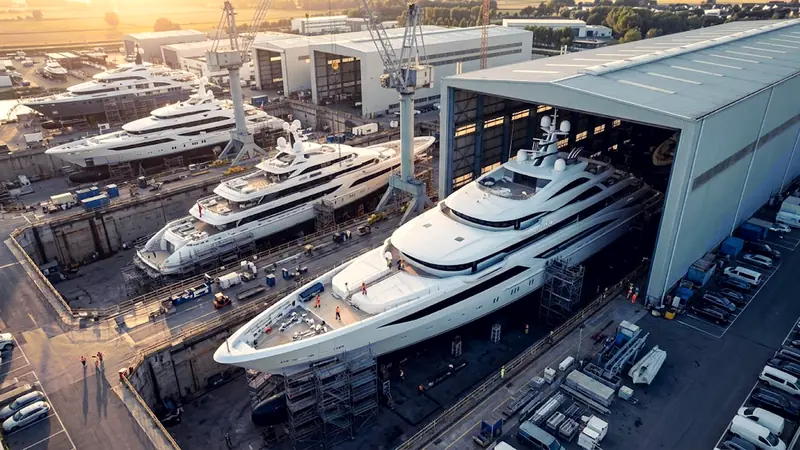
Behind this surge lies a client base that has grown more diverse and more voracious. American and Middle Eastern billionaires, alongside a steadily growing contingent of Asian buyers, are competing fiercely for production slots at the industry's storied yards, fuelling an expansion cycle with few precedents in the sector's recent history.
The race for giants: megayachts beyond 70 metres
The most striking figure concerns the megayacht segment, vessels exceeding 70 metres in length. Never before have so many hulls of this scale been counted in shipyards at the same time. This segment has become the true laboratory of nautical innovation, where extreme engineering meets uncompromising design.
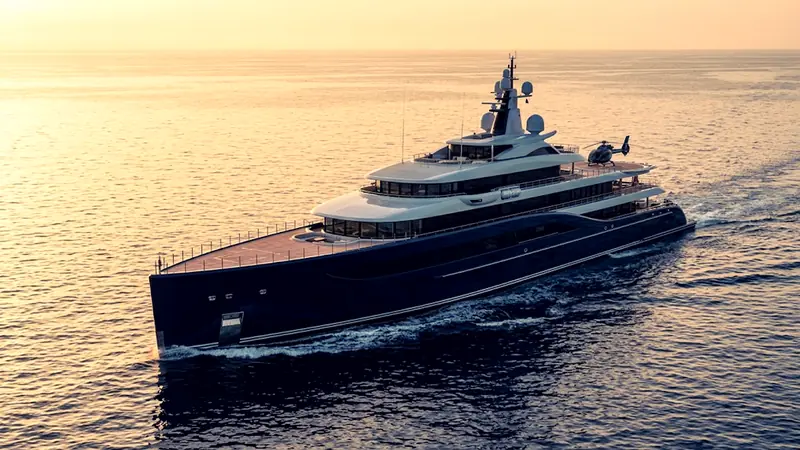
In Germany, Lürssen is completing what promises to be one of the maritime events of the year: Project Blue, a vessel exceeding 160 metres that, upon delivery, will likely rank among the ten largest private yachts in the world. The Bremen-based yard isn't stopping there: it is simultaneously building Project JAG, another giant of comparable scale, designed by an internationally renowned studio with exterior lines that lean decisively toward futurism. Two commissions that alone certify Germany's industrial capacity to manage production complexity on an extraordinary scale.
The Netherlands pushes hybrid tech and sail power
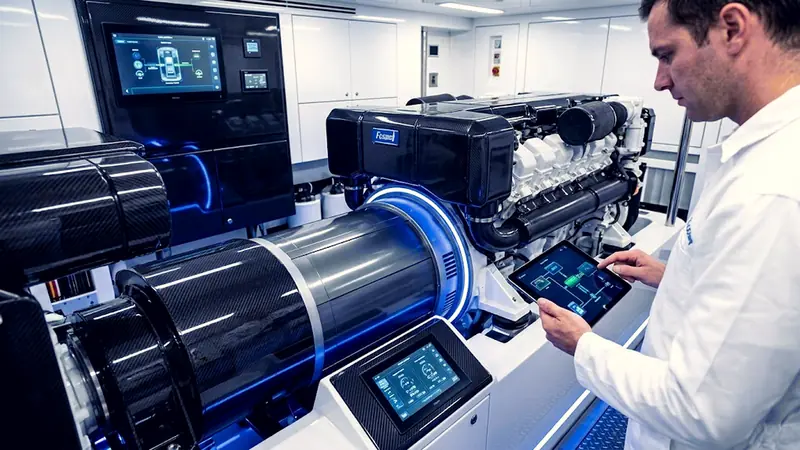
The technical epicentre of high-end yachting remains firmly anchored in the Netherlands. Feadship has several notable vessels underway, but it is Project 822 that has caught the industry's attention: roughly 80 metres in length, fitted with a next-generation hybrid propulsion system (combining traditional and electric engines), tangible proof of how the sector is accelerating toward lower-impact solutions without sacrificing performance.
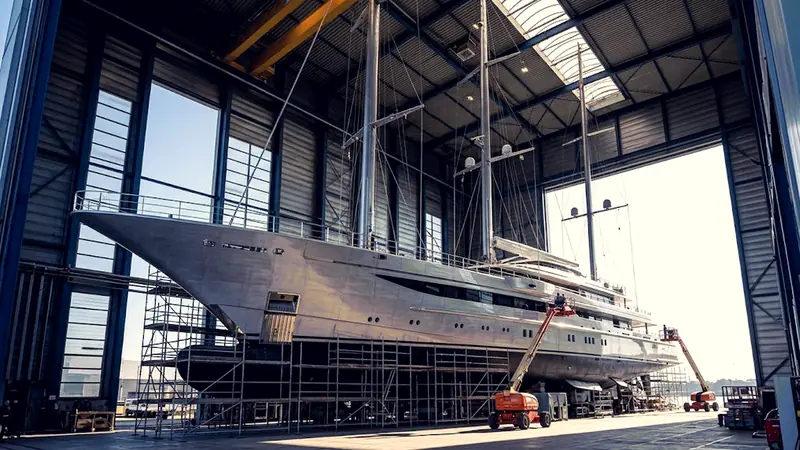
Oceanco, another pillar of Dutch shipbuilding, is working on an entirely different front: a sailing superyacht exceeding 120 metres, a natural contender for the title of the largest sailing vessel on the planet. The technical launch, expected later this year, is already being closely watched by enthusiasts and industry insiders alike.
Italy answers with Ferretti and Sanlorenzo
Italian shipbuilding isn't sitting on the sidelines. Benetti, the flagship brand of the Ferretti Group, is building an 85-metre megayacht with particularly aggressive lines, designed for an owner demanding high performance and zero aesthetic compromise. Sanlorenzo, meanwhile, continues developing its Superyacht line with a 73-metre vessel integrating low-environmental-impact living solutions, confirming that even the most exclusive luxury segment is shifting toward greater ecological awareness.
Ghost projects and the new owner profile
A separate chapter, and perhaps the most fascinating one, concerns commissions shrouded in secrecy. Yards such as Germany's Abeking & Rasmussen and the Netherlands' Damen Yachting have vessels under construction about which nothing has been revealed, neither name nor design details. Ghost projects, often exceeding 70 metres, fuelling a climate of competition and mystery set to be unveiled with the launches planned for 2026.
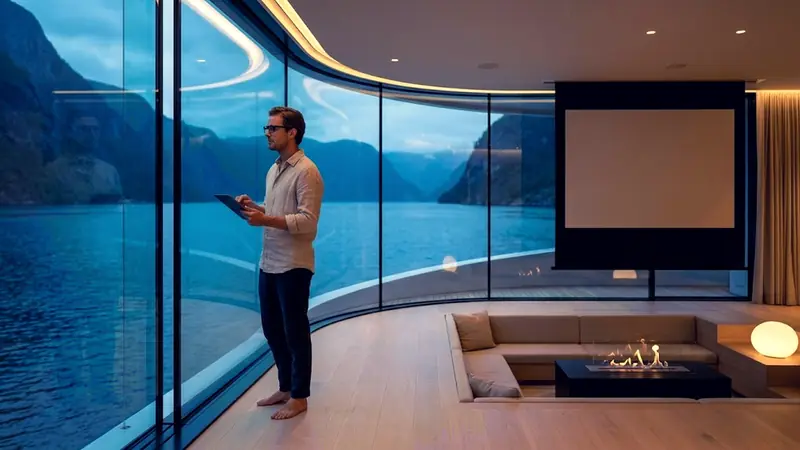
But the 2026 boom isn't explained by shipyard numbers alone. A cultural shift is underway. New owners are younger, often coming from the tech and finance worlds, and no longer view a yacht as a mere status symbol to flaunt at the marina. They see it as a platform for remote exploration, for wellness away from the spotlight, for experiences money can't buy elsewhere. Requests confirm this trend: infinity pools with ocean-like proportions, fully equipped wellness centres, onboard medical facilities, open-air cinemas, and even dedicated garages for private submersibles.
The nautical industry is responding by constantly pushing the boundaries of naval engineering, turning 2026 into a year of exceptional vitality for the entire luxury open-water segment. There's no sign of slowdown on the horizon, only hulls growing larger, engines going hybrid, and a collective ambition that seems to know no limits.