Key Takeaways
- Gulf mega-space: Motif Interiors delivers 22,000 sqm of Japanese-inspired coworking at Reem Mall, Abu Dhabi.
- Industrious in Asia: The premium brand rebrands The Great Room in Bangkok (Gaysorn Tower and Park Silom) and opens two new locations in Thailand, consolidating its global network.
- AI-driven San Francisco: 31 new coworking locations added in the San Francisco market, fuelled by the explosion of artificial intelligence companies.
Coworking is no longer a trend: it's infrastructure
There was a time when coworking was the hipster answer to the corporate open-plan crisis. That era is over. What is happening in 2026 is something else entirely: shared workspaces have become urban infrastructure, strategic real estate assets, and in some markets, an outright driver of economic development. The news of recent weeks makes this crystal clear, from Abu Dhabi to Tokyo, via Bangkok and San Francisco. Anyone who hasn't grasped this yet is probably still defending their cubicle with the cactus on the desk.
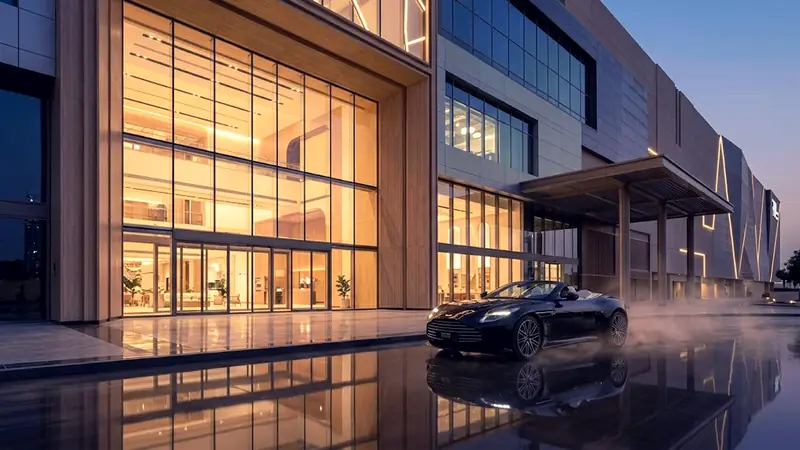
Let's start with the Gulf, where things are always done on a grand scale — often a very grand scale. Motif Interiors, an Emirati design and construction studio, has just delivered Centrum Spaces in Abu Dhabi: twenty-two thousand square metres of coworking space embedded within Reem Mall, with an aesthetic that nods to Japanese minimalism. Twenty-two thousand square metres. To put that in perspective: it's roughly three times the surface area of a regulation football pitch, transformed into hot desks, meeting rooms, lounges, and probably a few contemplative corners with just the right lighting for Instagram reels. The project is not merely a style exercise: it positions Abu Dhabi as an attractive hub for digital nomads and expanding companies across the MENA region, at a moment when the UAE is working hard to diversify its economy beyond oil. A 22,000 sqm coworking space inside a luxury mall is, in every sense, a geopolitical statement dressed up as a shared desk.
San Francisco: AI calls the shots in the office market too

On the other side of the world, San Francisco is experiencing a coworking renaissance that nobody predicted with this intensity. The market has absorbed 31 new locations over the last cycle, and the primary driver has a very specific name: artificial intelligence. AI startups are multiplying across the Bay Area at a pace that renders any traditional lease agreement obsolete. They grow, downsize, pivot, get acquired. They need spaces that adapt to them, not the other way around. Coworking is the natural response to this structural instability, and operators know it all too well. WeWork, which once seemed destined to become a business school case study for all the wrong reasons, is still there staking its claim in the city that more than any other embodies the volatility of tech. The lesson is simple: when the economy moves fast, fixed spaces become a luxury that very few can afford.
Industrious devours the Asian market, one rebrand at a time
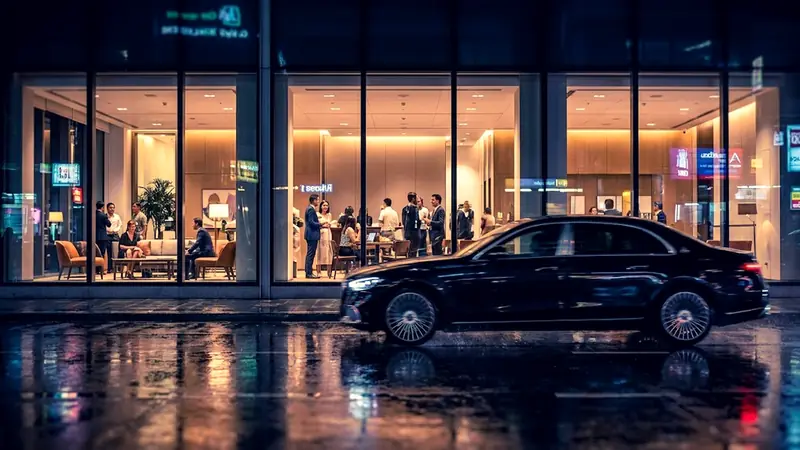
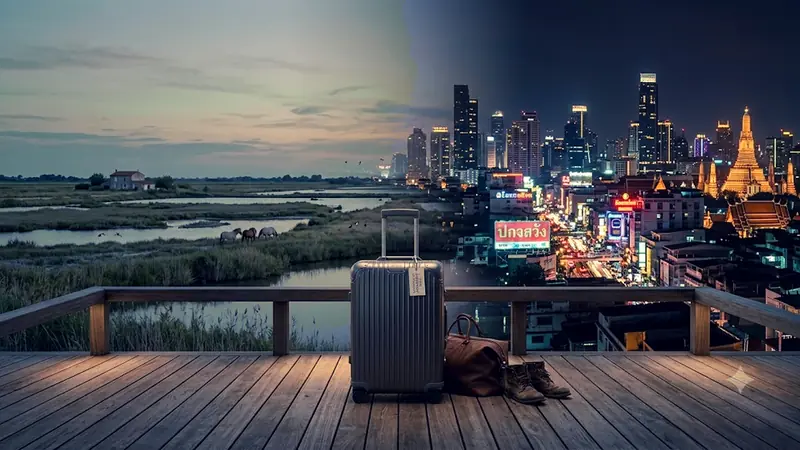
In Asia, the most significant move bears the name of Industrious. The American premium workspace operator has announced the rebranding of the two The Great Room locations in Bangkok, specifically at Gaysorn Tower and Park Silom — two addresses that in the Thai market are the equivalent of saying "we mean business." This is not simply a matter of changing the signage: it means integrating those spaces into the global Industrious network, with everything that entails in terms of access, service standards, and connectivity for international corporate clients. At the same time, the same source reports the opening of two additional locations in the Thai market, confirming that Industrious's Asian strategy is not an experiment but a systematic expansion into the premium segment of Southeast Asia. A market that, between business tourism, expat communities, and growing local economies, represents one of the hottest frontiers for anyone looking to scale in international coworking.
Tokyo and Zurich: building for a future that doesn't exist yet
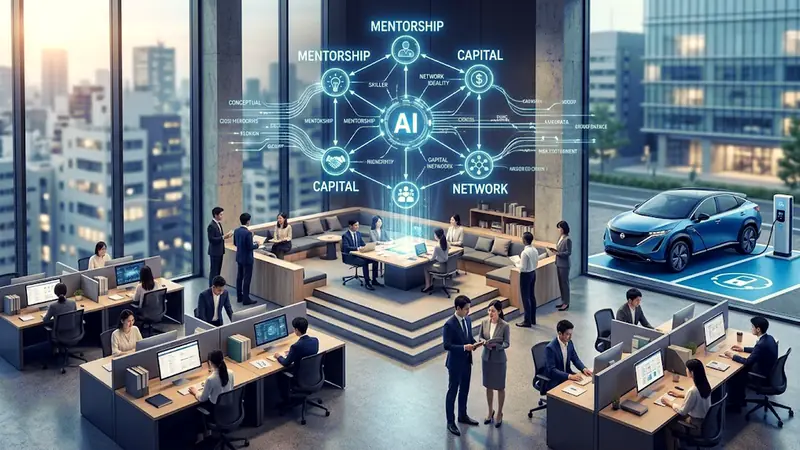
From Japan comes a different signal — quieter, but no less relevant. In Musashino, within the greater Tokyo area, a new startup ecosystem is taking shape, built around a four-way partnership aimed at acting as an innovation accelerator for the region. The model is that of coworking as a catalyst, not merely a desk provider. It is the Japanese version of a format that has already proven its worth in Europe and the United States: bring together physical space, mentorship, capital, and network, and you get something worth far more than the sum of its parts.
On the strategic reflection front, two voices deserve attention. Pauline Roussel of Coworkies and Beyond Space continues to map the dissolution of the fixed office concept in favour of hybrid ecosystems made up of creative hubs, mobile infrastructure, and integrated digital environments. A vision that, post-pandemic, has shifted from intellectual provocation to operational roadmap for many operators. And then there is Johannes Eisenhut of Senn, a Swiss developer who said something as uncomfortable as it is true: "We don't build for what is contemporary." Designing spaces adaptable to still-undefined scenarios is the hardest challenge in commercial real estate. Those who manage to do it well will still have something to lease in ten years' time. The rest will have some very beautiful problems to deal with.
The global coworking market is expected to surpass $40 billion in value by 2030, with the premium and enterprise segments as the primary growth vectors. Bangkok, Abu Dhabi, and San Francisco are already writing that trajectory.