
From Đà Nẵng to Si Racha: Flying Emirates, Surviving Airports, and Arriving in Thailand at 3 AM
There's a precise moment when you realise the global airport system is a legalised scam. It's when you're sitting in a Vietnamese airport — a country where you eat like a king for less than a dollar — and you find yourself staring at a $15 sandwich. That moment perfectly sums up how the digital nomad economy (a lifestyle built on remote work and constant travel) actually works: outside is the real world, inside is a speculative bubble with the emergency exits bolted shut. This is the story of my move from Đà Nẵng to Si Racha, Thailand. One flight, two airports, a surreal immigration experience, and a new base of operations that smells of ramen and possibility.
Key Takeaways
- Airport markups are global and aggressive: A Bánh Mì (traditional Vietnamese sandwich) costs $0.40 outside Đà Nẵng airport; the equivalent caloric option inside exceeds $15 — a markup of over 3,600%.
- Emirates beats budget airlines on price: The Emirates flight from Đà Nẵng to Thailand cost less than competing low-cost carriers, with business-class-level service on a route just over an hour long.
- The Thai DTV Workstation Visa actually works: The dedicated digital nomad visa got me through Thai immigration in under 30 minutes, past midnight, with no queues.
Đà Nẵng Airport and the Philosophy of the $15 Sandwich
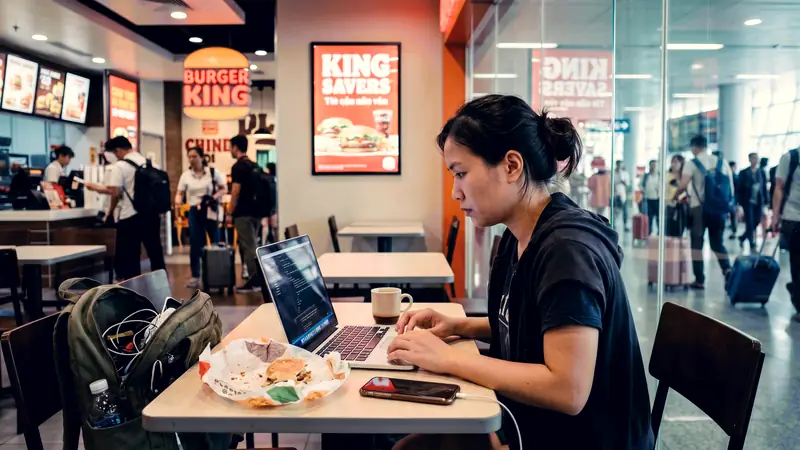
Đà Nẵng International Airport is small, modern, and functional. Outbound immigration is quick — with the very Vietnamese quirk of asking for your e-Visa (electronic entry permit) while you're leaving the country, which is their logic and they're sticking to it. Then comes the moment of truth: finding something to eat. My tolerance for inflated prices exists, but it has a physical and moral limit. Chocolate bars at $24, t-shirts at $80, novelty toys at $12. In a country with one of the lowest costs of living in Southeast Asia. The rational response? Burger King. Prices roughly 20% above the outside average, daylight-robbery exchange rates, zero free Wi-Fi. But at least I don't feel elegantly robbed. I turn on my hotspot (shared internet connection via smartphone), open the laptop, and get back to work.
Gemini 2.5 Pro, HTML5 and GEO: Working in a Fast Food Restaurant at 11 in the Morning
I'm working on a complete overhaul of my website. The goal is twofold: classic SEO (Search Engine Optimisation, improving visibility on traditional search engines) and GEO (Generative Engine Optimisation, indexing for AI-powered engines like Perplexity and SearchGPT). Main tool: Google's Gemini 2.5 Pro. For coding (writing and editing code) it's the real deal — fast, context-aware, precise. I'm writing HTML5 (the standard language for structuring web pages) while working through a Whopper. There's something deeply digital-nomad about this scene. Not romantic, just functional. This is exactly how this lifestyle works: there's no office, there's a connection and a deadline.
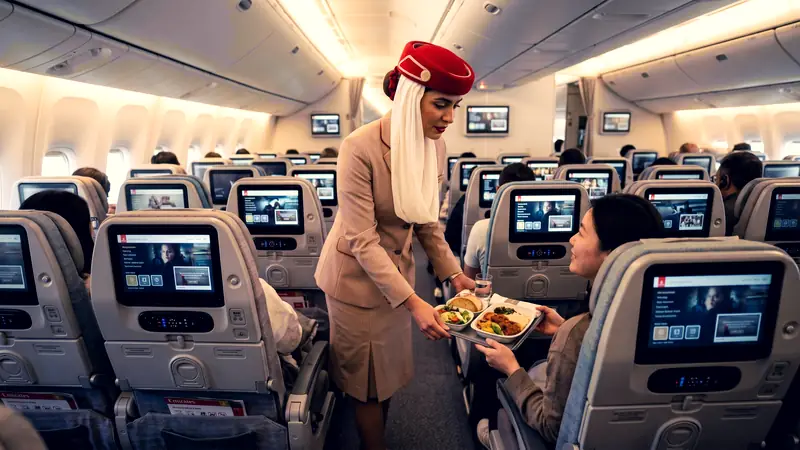
Emirates: When the "Premium" Airline Costs Less Than the Budget Option
First time flying Emirates. The reputation is enormous, expectations calibrated to the price — which, paradoxically, was lower than the low-cost alternatives (budget airlines offering reduced services). The result? Boarding is on time to the second. The cabin crew are exactly as described by anyone who has ever flown Emirates: polished, professional, and presented with an almost theatrical attention to detail. A Boeing 747 (wide-body double-deck aircraft) on a route just over an hour long: personal entertainment screen, seats with actual legroom, a pillow and blanket worthy of a long-haul flight. Meal served shortly after take-off. I close my eyes. I open them again when the wheels touch down on Thai tarmac. This is the benchmark (the quality standard to measure against) that budget airlines should be studying.
Thai Immigration at 1 AM: Under 30 Minutes from Gate to Ground
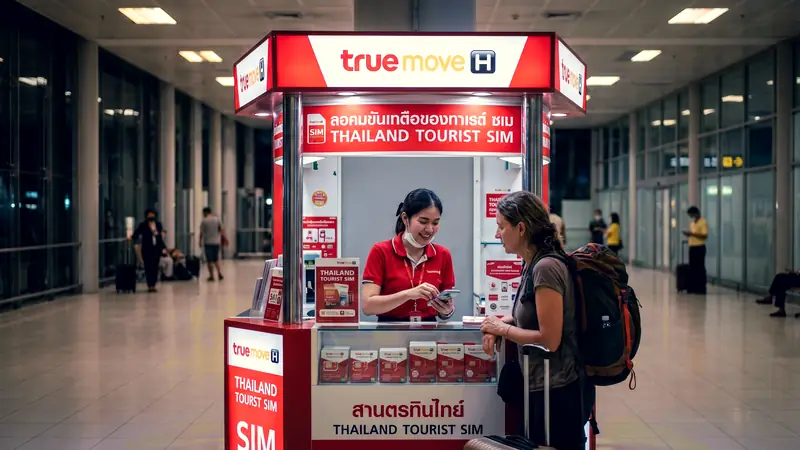
The arrival airport is deserted. It's one in the morning. The immigration desk is almost empty — anyone who has ever passed through Suvarnabhumi (Bangkok's international airport) knows this is about as rare as a solar eclipse. I present my passport with the DTV Workstation Visa (a Thai visa specifically for digital nomads, offering extended residency for remote workers). Biometric fingerprint scan (digital fingerprint capture), photo, stamp. Gate to exit: under 30 minutes. I buy a True Move H SIM card (Thai mobile network operator) — honestly, I chose it for the logo colours, and I'm not ashamed. The girl at the stand speaks decent English. After four months in Vietnam, where the language barrier is real and daily, it's a genuine physical relief.
Grab, the Thai Cold, and Si Racha at 3 AM
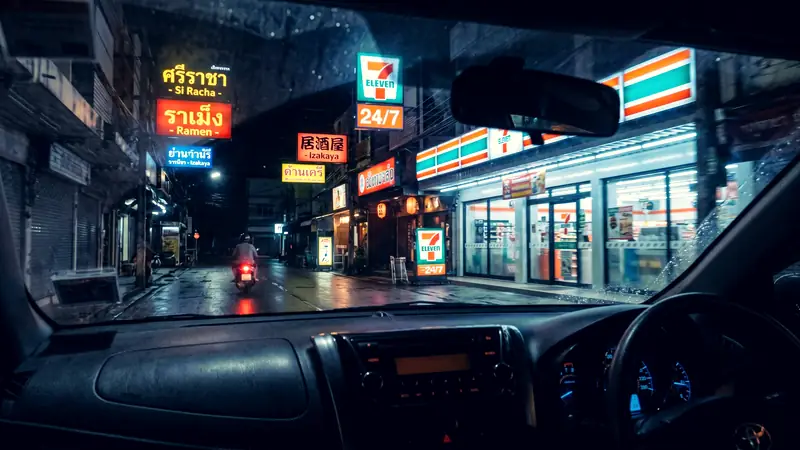
Bags collected — my suitcase was already sitting alone on the floor, like a lost soul. I book a taxi through Grab (the regional app for taxis, motorbike taxis, and food delivery), destination Si Racha. No night buses, no desire to play the budget hero at three in the morning. The taxi has the air conditioning set to 18 degrees — the standard temperature in any vehicle or 7-Eleven (the 24/7 convenience store chain found absolutely everywhere in Thailand) in the country. Jacket out of the backpack, backpack converted into a pillow, eyes closed. Si Racha is waiting: a city with a well-established Japanese community, an aesthetic unlike the rest of Thailand, and probably the right place for the next chapter. Let's see what's there.