
Key Points
- Intelligent energy management: New integrated home systems enable energy consumption reductions of up to 40% compared to traditional non-connected solutions.
- Expanding proprietary ecosystems: Matter 1.3 and Thread are today the dominant connectivity protocols in high-end residential automation.
- Accelerating market: The global smart home segment is projected to exceed $230 billion by the end of 2026, with Europe and Asia-Pacific as the primary growth drivers.
The Smart Home Is No Longer a Futuristic Concept
For years, the so-called smart home remained trapped in a limbo between commercial promise and disappointing practical reality. Devices incompatible with one another, closed ecosystems jealously locked down by their respective manufacturers, user interfaces conceived by engineers for other engineers. The outcome was predictable: mass adoption stifled, consumers frustrated, market fragmented. In 2026, this scenario has changed in a structural way, not a cosmetic one. Smart home technology has finally reached sufficient maturity to be judged with the same rigour applied to any other high-tech industrial sector.
The turning point can be identified with precision: the widespread adoption of the Matter standard, in its 1.3 iteration, has torn down the interoperability barriers that for a decade had turned home automation into a minefield for the average consumer. Today, a sensor from a German manufacturer communicates natively with an American hub and is managed by an app developed in South Korea. This is not science fiction — it is applied engineering that has finally prevailed over the short-sighted interests of individual vendors.
Energy: The Hottest Front of Domestic Innovation
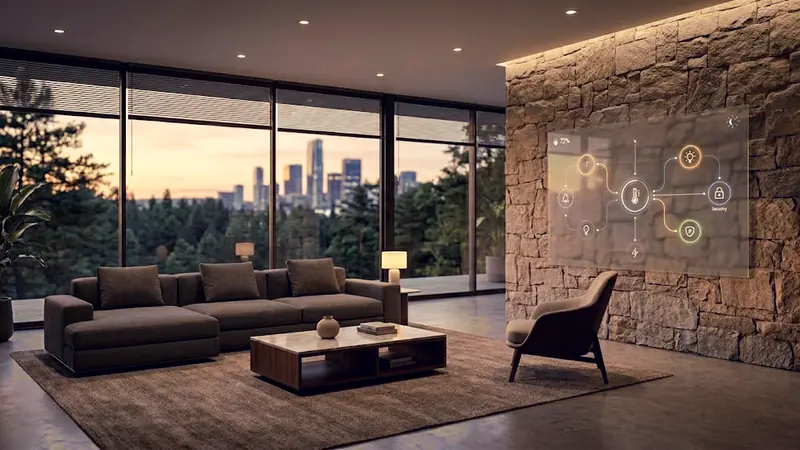
If there is one domain in which residential technology has made a genuine generational leap, it is energy management. Home Energy Management Systems, known as HEMS, no longer simply monitor consumption in real time. Next-generation platforms integrate predictive algorithms that analyse the dynamic tariff profiles of electricity utilities, local weather forecasts and the consumption habits of residents, automatically optimising loads. The concrete result is a documented reduction in energy costs that, in the most complete installations, reaches forty percent compared to unassisted traditional management.
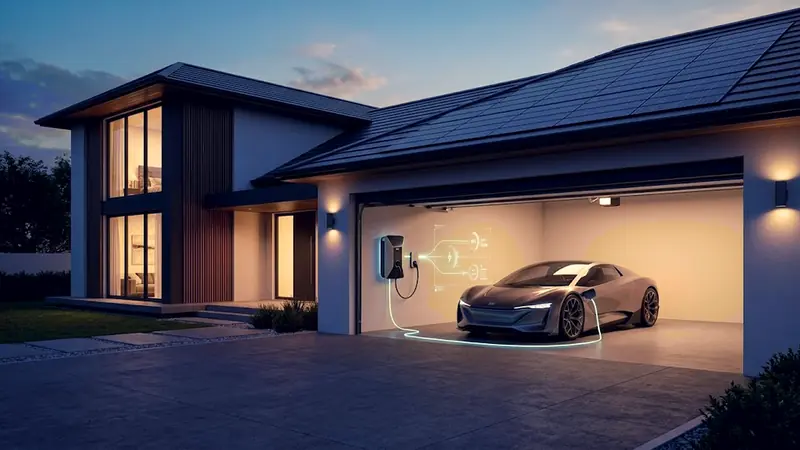
Integration with home storage systems, the latest generation of heat pumps, and bidirectional charging of electric vehicles — the so-called Vehicle-to-Home, or V2H — transforms the home into an active node of the energy grid, capable of feeding energy back to the grid during peak hours and absorbing it during minimum-price windows. This is a paradigm shift with implications that extend well beyond the electricity bill of the individual homeowner.
Security and Connectivity: Integration Without Compromise
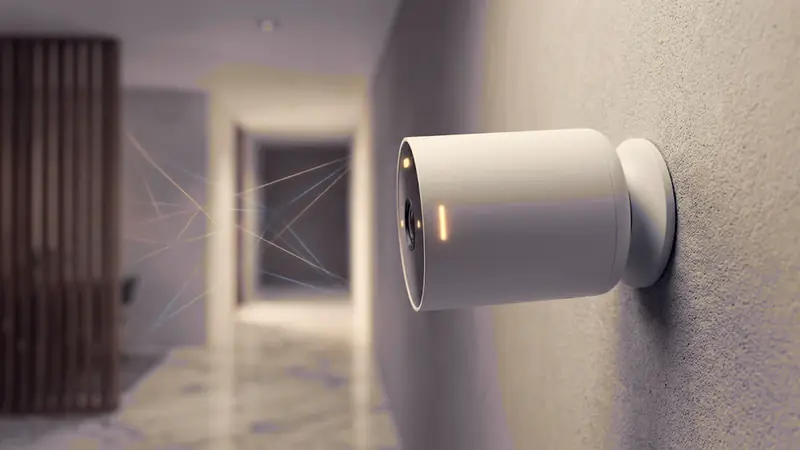
The connected home security sector is the one that has recorded the most sustained growth in terms of technological sophistication. High-end video surveillance systems now feature twelve-megapixel sensors with colour night vision, on-device facial recognition — meaning no biometric data is transmitted to the cloud — and native integration with local emergency services in over forty countries. The latency for detecting anomalous events is measured in milliseconds, not seconds.
On the connectivity front, the Thread protocol, based on IPv6 mesh, has effectively supplanted the old Zigbee in premium installations. Its architecture, free from a single point of failure, guarantees a level of home network resilience that previous protocols could not structurally offer. Every Thread device simultaneously acts as a network node, eliminating the risk that the failure of a single hub takes the entire system offline.
The Market Speaks Clearly: We Are Past the Point of No Return
Market figures paint a trajectory that admits no alternative reading. The global smart home segment is projected to exceed $230 billion in value by the close of 2026, with compound annual growth rates holding steadily above fifteen percent. Europe, driven by the regulatory push towards building energy efficiency mandated by the EPBD directive in its most recent revision, and Asia-Pacific, with China leveraging residential automation as an industrial driver, are the most dynamic markets.
The mid-to-high price bracket is the fastest-growing segment: the consumer willing to invest between three thousand and ten thousand euros in an integrated, professional-grade solution is today a far less rare figure than manufacturers themselves predicted five years ago. Projections from IDC analysts indicate that by 2028, forty-two percent of new residential builds in Western Europe will include a certified HEMS as a standard component, not an optional one.