Key Takeaways
- Record figure: The global M&A market has hit $2.8 trillion in the current wave of mergers and acquisitions.
- Dominant strategy: Large enterprise corporations are adopting the buy-versus-build model, targeting acqui-hires (acquiring startups to absorb their talent directly) of hyper-specialised vertical startups.
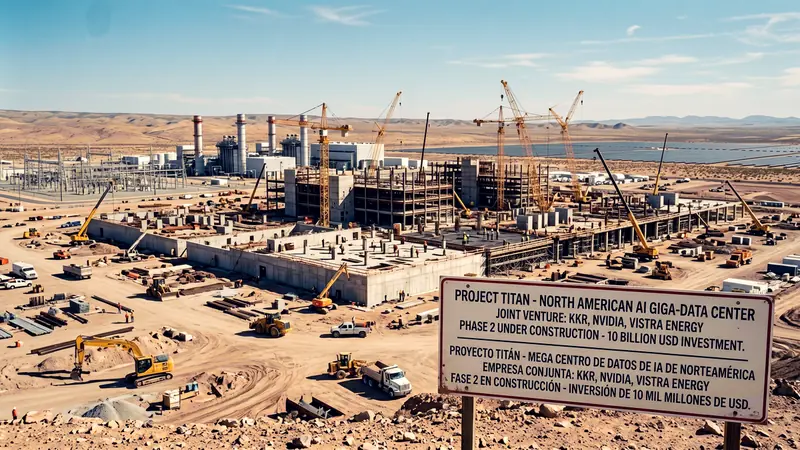
- Structural engine: Private equity and institutional investors are driving mega-deals to forge ecosystems positioned to dominate the AI economy of the next decade.
$2.8 Trillion: The Great AI Land Grab
The global mergers and acquisitions market has hit a record $2.8 trillion. This is not ordinary financial speculation: it is a structural repositioning driven by a single imperative — artificial intelligence. Any organisation that fails to move now risks being locked out of the game for an entire decade.

Buying Is Faster Than Building

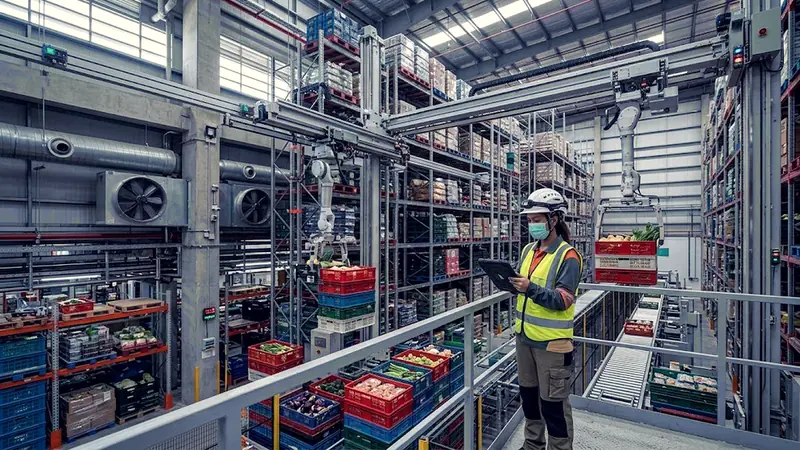
At the enterprise level, the logic is brutally pragmatic. Large corporations have abandoned the idea of developing technology in-house. The buy-versus-build strategy allows rapid integration of advanced algorithms, compute infrastructure (the hardware and processing power underpinning AI systems) and proprietary datasets, eliminating the risks and latency of traditional R&D. Acqui-hiring — acquiring startups to directly absorb their talent — also addresses the global shortage of highly specialised tech profiles, a bottleneck that no conventional recruiting strategy can resolve.
Build Ecosystems or Die
Private equity and institutional investors are orchestrating these mega-deals with a precise objective: forging corporate ecosystems capable of capitalising on cognitive automation (AI-driven decision-making that replaces human reasoning at scale) before margins are redefined from the outside. In a market where AI is rapidly compressing and reshaping value chains, M&A operations of this magnitude are no longer optional. They are the only instrument available to lock in market share and establish dominant positioning in the economy that is coming.