Key Takeaways
- German solar record: Renewables cover 58% of gross electricity consumption; photovoltaic feed-in hits 43.2 TWh, up 10% year-on-year.
- Baseload renewables now operational: Grenergy signs a 15-year PPA (Power Purchase Agreement) for 1 TWh/year of nighttime solar in Chile; Masdar builds a 1 GW wind-plus-storage park in Kazakhstan delivering power 24/7.
- Electrification as structural policy: India approves a $150 million urban electric transport plan, signaling a rapidly expanding domestic market for batteries and charging infrastructure.
The Point of No Return
The first half of 2026 leaves no room for romantic interpretations or ideological debate. The energy transition has stopped being a political promise and has become concrete, measurable, financeable economic architecture. Data arriving from the world's major markets tells a precise story: the global energy system is changing its structure, not just its composition. This is no longer about replacing a coal plant with a field of panels. It is about redrawing the foundations on which the planet's industrial competitiveness rests.
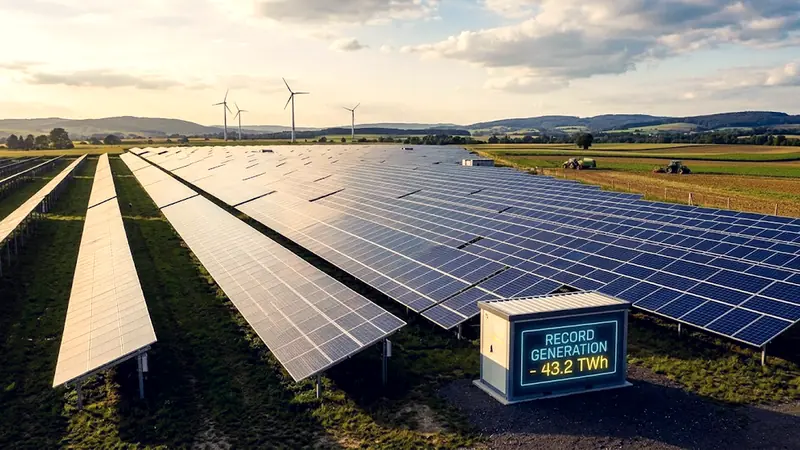
The numbers are unambiguous. According to preliminary data compiled by ZSW and BDEW (Germany's leading energy monitoring institutes), Germany covered 58% of its gross electricity consumption with renewable sources in the first half of 2026, three percentage points above the same period the previous year. The most striking figure, however, belongs to photovoltaics: grid feed-in grew 10%, reaching a total of 43.2 terawatt-hours. Europe's largest industrial economy now generates 61.8% of its net public electricity from decarbonized sources. The dogma that heavy industry was inseparably bound to fossil fuels is formally buried.
The Problem Solved: Intermittency Is Dead
For years, the leading argument of transition skeptics was a single one: the sun sets, the wind stops. Intermittency as an insurmountable limit, as a structural sentence on renewables. In 2026, that argument no longer holds. Not because it has been theoretically refuted, but because it has been demolished operationally, contract by contract, gigawatt by gigawatt.
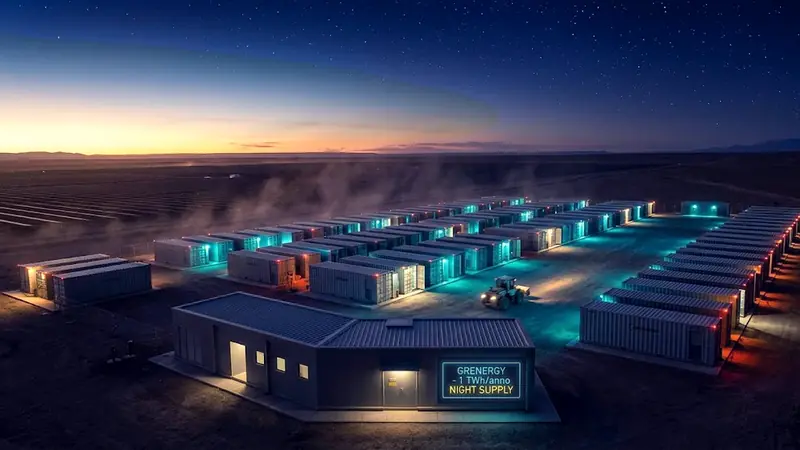
The most emblematic case comes from Chile. Spanish developer Grenergy has signed a Power Purchase Agreement (a long-term energy supply contract) lasting fifteen years for the delivery of one terawatt-hour of solar energy per year, supplied exclusively during nighttime hours. This is not a misprint. Solar energy. At night. Made possible by integrated storage systems that convert daytime generation into programmable, round-the-clock supply. A fifteen-year contract means a financial institution has assessed this asset as solid, predictable, and bankable over the very long term.
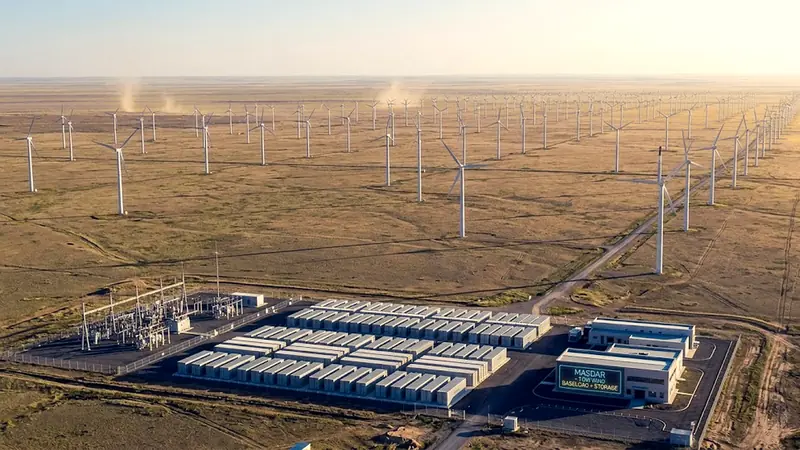
On the other side of the world, in Kazakhstan, Emirati giant Masdar is building a one-gigawatt wind farm paired with a storage system (battery array sized for continuous dispatch) engineered to guarantee electricity supply twenty-four hours a day, seven days a week. One gigawatt of wind that never sleeps. The category of renewables baseload (green sources capable of delivering power continuously and on schedule, like a conventional plant) has stopped being a concept confined to academic papers and has taken the shape of open construction sites, committed capital, and signed contracts.
Asia: Decarbonize or Lose the Market
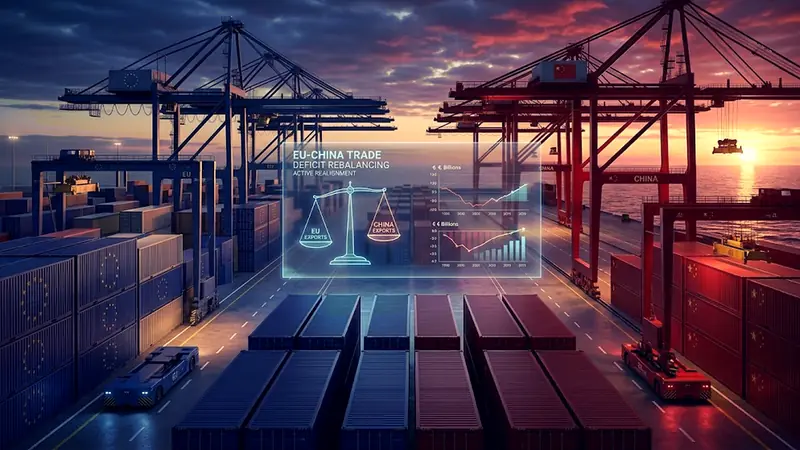
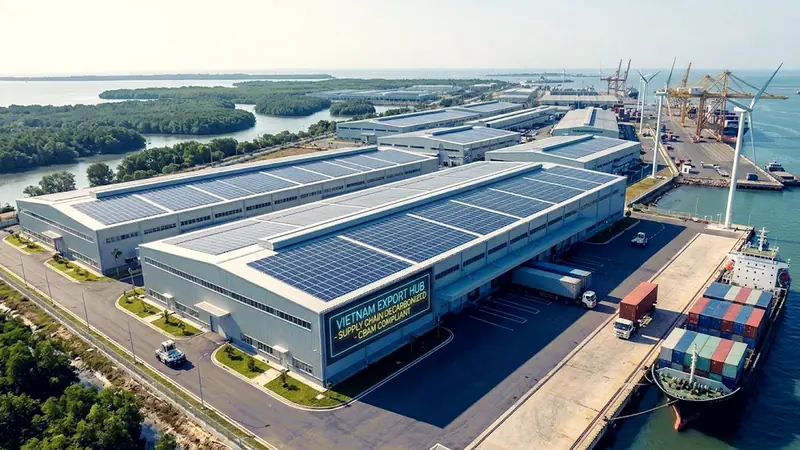
If in Europe the transition is also driven by an established climate narrative, in Asia the logic is more brutal and direct: those who do not decarbonize lose orders. The European Union's CBAM (Carbon Border Adjustment Mechanism, a carbon tariff on imports) has transformed carbon footprint from an ethical variable into a commercial one with a direct impact on margins. Emerging markets grasped this quickly.
Vietnam is the clearest case. The country is consolidating its position as a strategic clean energy hub across Southeast Asia, with massive investments in wind and solar that are not driven by an environmentalist vocation but by a precise macroeconomic necessity: attracting and retaining foreign direct investment from technology and manufacturing multinationals. These companies no longer select suppliers on cost and quality alone. They demand fully decarbonized supply chains. Vietnam is building its future competitiveness on exactly that premise.
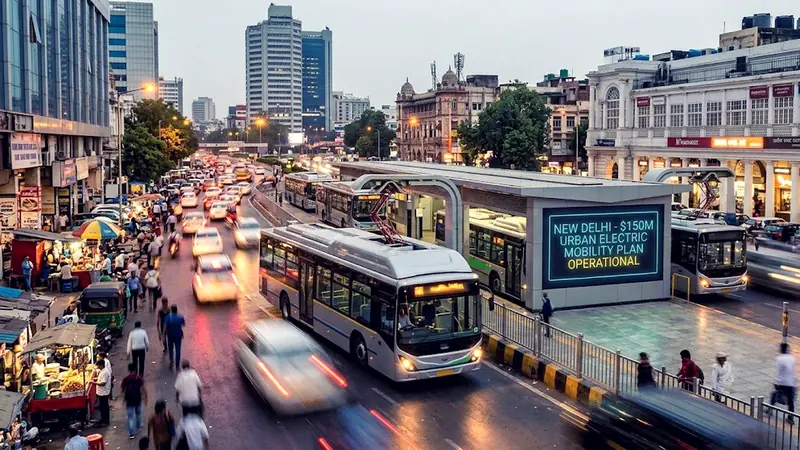
On the demand side, New Delhi has approved a $150 million plan to incentivize urban electric transport. Sustainable mobility in Asia's megacities is no longer an imported luxury but a structural response to the health and economic costs generated by pollution. The domestic market that follows, in terms of demand for batteries and charging infrastructure, is of a scale no global manufacturer can afford to ignore.
The Risk Calculus Has Flipped
What emerges from a comprehensive reading of the first half of 2026 is not a series of isolated events. It is the convergence of a system. Record penetration in mature markets, storage at industrial scale, aggressive electrification in emerging markets: three vectors moving in the same direction and reinforcing one another. For major corporations and institutional investors, the risk picture has shifted irreversibly. Remaining anchored to the old fossil economy is no longer a conservative choice. It is a bet on obsolescence.