Key Takeaways
- Santorini production collapse: The Greek island's wine output has fallen to one-fifth of previous levels, driven by relentless, prolonged heat waves intensifying since 2022.
- Alchemy Foodtech and the Scandinavian model: Singapore-based Verleen Goh's company targets glycemic index (a measure of how fast food raises blood sugar), carbohydrates, and sugars in mass-market staples; Sweden's fredagsmys and fika rituals are emerging as global sociological reference points.
- Fine dining and neo-oenological patronage: Austria's first two-Michelin-star restaurant makes its international debut inside Copenhagen's Tivoli park; Borgo Conventi in Farra d'Isonzo transforms its cellars into contemporary art exhibition hubs.
Food Is No Longer Just Food
It's 2026, and the Food & Beverage sector stopped talking about recipes and restaurants a long time ago. What is happening now runs deeper, more systemic, more brutal in its complexity: food has simultaneously become a biotechnology laboratory, a cultural manifesto, a diplomatic instrument, and a climate battlefield. Five macro-trends are redrawing the rules of the game on a global scale, and anyone who hasn't taken them seriously yet risks being locked out of the market entirely.
The Science Hidden on the Plate
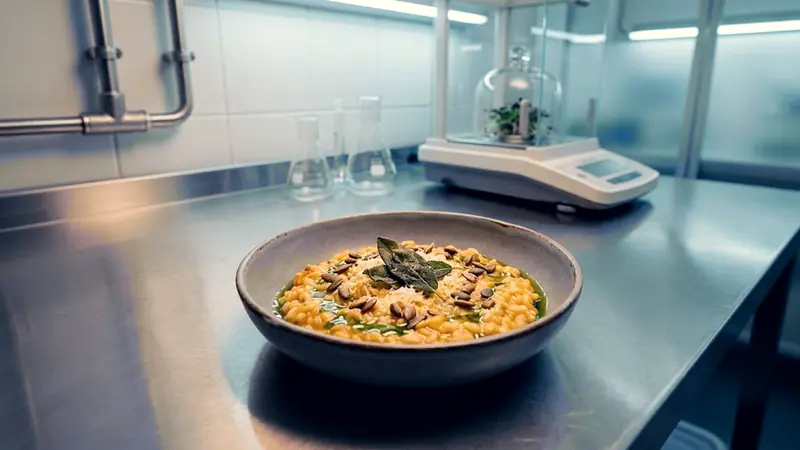
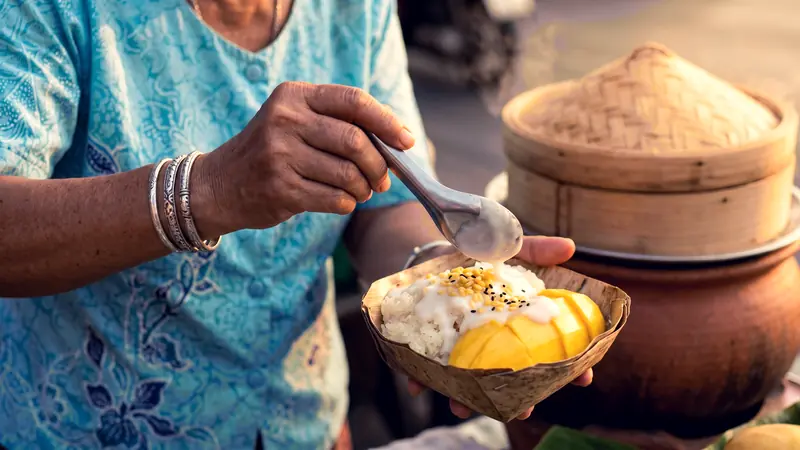
In Singapore, entrepreneur Verleen Goh is running one of the most significant operations in the entire global food-tech landscape through her company Alchemy Foodtech. The stated objective is simple in form, brutally ambitious in substance: slash the glycemic index, carbohydrates, and sugars in everyday staples — from rice to bread, noodles to lemon tea and ice cream — without the end consumer noticing in the slightest. No flavor compromised, no texture sacrificed, no emotional comfort violated.
The strategic key at Alchemy Foodtech lies in a precise choice: the science must be invisible. The shift from a purely technological approach to one laser-focused on the product is the move that makes the model scalable. In a world where obesity and diabetes continue to surge as mass-scale conditions, the solution does not run through forced nutritional education or products perceived as "medicinal." It runs through foods identical to what people already love, but with a radically different nutritional profile. It is social engineering applied directly to the plate.
Northern Europe Slows the World Down
While the global culture of meal prep and on-the-go consumption keeps grinding at a frantic pace, Northern Europe is delivering a cultural counterresponse that is steadily gaining ground as the lifestyle trend of reference. The Scandinavian model is not a fad: it is a consolidated sociological structure finding new resonance in an era of digital isolation and relational fragmentation.
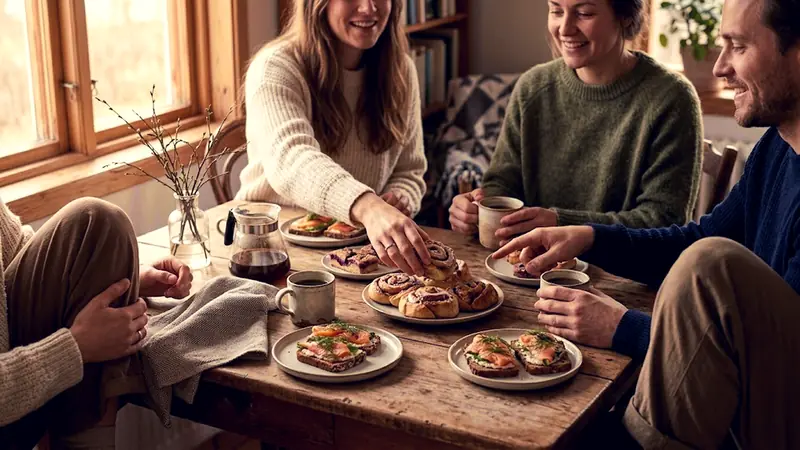
Swedish fredagsmys (the Friday evening family intimacy ritual built entirely around sharing), and fika (the coffee break elevated to an indispensable social rite), place back at the center something the global market had progressively eroded: authentic human connection. Nordic tables operate without hierarchy, the meal becomes a democratic space, and seasonality is not a constraint but a value. Shared preparation, respect for time, conscious celebration of resources. In an enterprise context, this translates into a powerful narrative positioning for any brand seeking to anchor itself to values perceived as genuinely authentic.
Fine Dining Exports Experiences, Not Just Cuisine
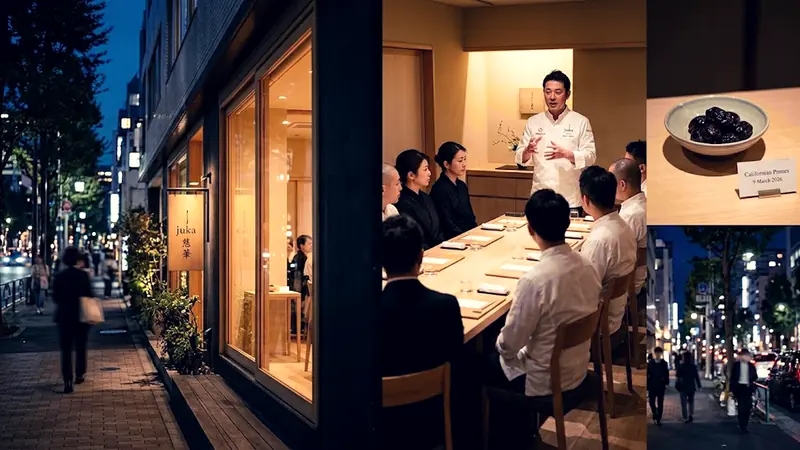
On the high-end dining front, the direction is unambiguous: the major fine dining brands have stopped opening restaurants and started exporting experiential assets. The most eloquent example comes from Austria. Chef Stefan Doubek and his partner Nora Pein, at the helm of Austria's first two-Michelin-star restaurant, chose to make their international debut inside Tivoli park in Copenhagen. An iconically history-laden location, at the heart of one of the world's recognized capitals of contemporary gastronomy.
The choice is not accidental. Embedding within a context already carrying symbolic authority and international tourist flow allows for maximum global visibility without building a reputation from scratch. It is a high-yield strategic positioning move, and other European fine dining players will likely follow the same logic in the years ahead.
Wineries Become Museums
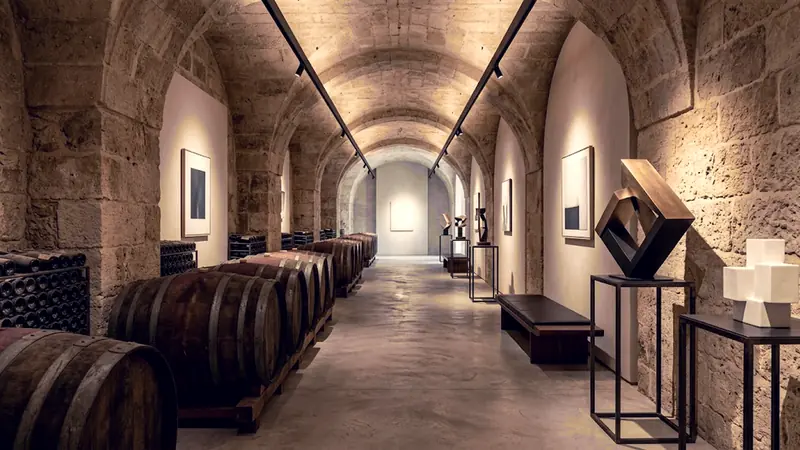
In Italy, the wine sector is undergoing its own identity metamorphosis. Wineries are no longer simply sites of production and tasting: they are becoming fully-fledged cultural hubs. Borgo Conventi, in the heart of the Collio wine region at Farra d'Isonzo, stands as one of the most concrete examples of this shift. Contemporary art exhibitions staged within production spaces, collaborations with museum institutions, a terroir (the environmental factors shaping a wine's character) narrative that stops being an agronomic indicator and becomes the foundation of an exceptionally high-profile tourism and experiential offering.
This corporate "neo-patronage" is not philanthropy: it is brand strategy. Wine enters into dialogue with culture, the winery space speaks to the visitor on multiple simultaneous levels, and the final product carries a narrative weight that no conventional advertising campaign could ever replicate.
Santorini: When Climate Demolishes Centuries of Viticulture
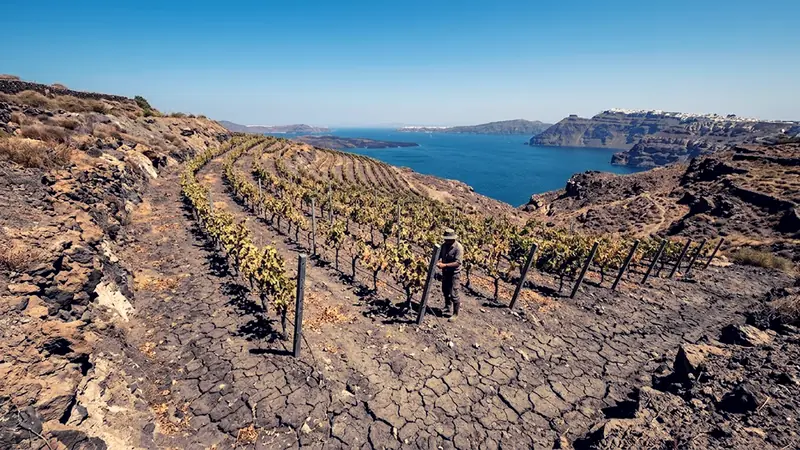
And then there is the crisis. The real one — the kind that leaves no room for softened narratives. Santorini is the most brutal stress test European viticulture has faced in the contemporary era. Since 2022, relentless and prolonged summers have reduced local wine production to one-fifth of its previous output. An unprecedented productive collapse for a territory whose winemaking identity spans centuries.
The response from local growers is pragmatic to the bone: historic vine layouts are being restructured, abandoning the traditional scattered cultivation method in favor of structured rows engineered to optimize irrigation. It is a break with agronomic tradition imposed by the raw logic of survival. What is happening in Santorini is not a local story: it is an environmental crisis management protocol that the entire European wine industry will need to integrate into its sustainability plans in the years ahead. Climate change does not wait for five-year plans.