Key Takeaways
- Scientific analysis across 40 species: A study published in the Malaysian Journal of Chemistry identified high concentrations of carotenoids and antioxidant activity across 40 species of ulam.
- Microbial fermentation: Foods such as tempoyak, budu, and pekasam activate lactic acid bacteria that produce postbiotic metabolites linked to effects on type 2 diabetes and obesity.
- Documented plant pharmacopeia: Kacip Fatimah (Labisia pumila) displays phytoestrogen and isoflavone profiles under study for anti-inflammatory and anticancer properties.
A salad as a clinical tool
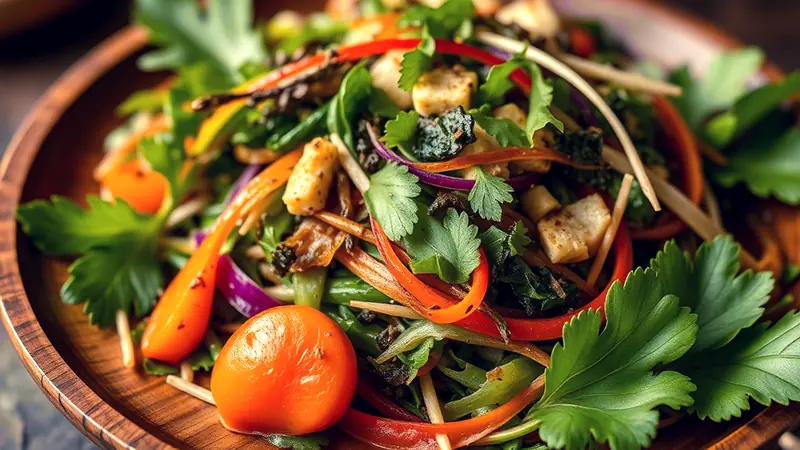
Ulam is not a garnish. It is a salad of wild herbs and leaves, eaten raw or lightly blanched, that Malay communities have used for generations as a preventive practice. The study published in the Malaysian Journal of Chemistry, covering 40 species, measured significant carotenoid concentrations and antioxidant capacity confirmed in laboratory testing. Ulam raja stands out as a benchmark variety: high levels of fiber, vitamins, and minerals, with anti-inflammatory action linked to reduced chronic inflammation, a known risk factor in cardiovascular disease. Consistent intake of polyphenols and fiber from these greens correlates with improved nutritional markers and measurable effects on mood.
Fermentation: from preservation to pharmacology
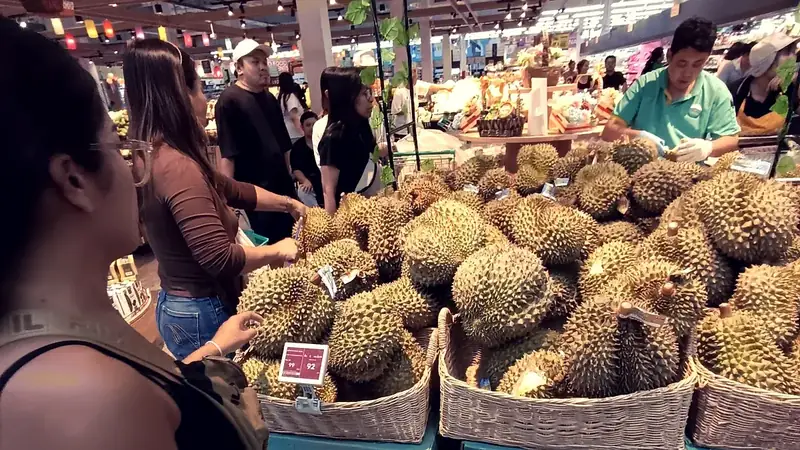
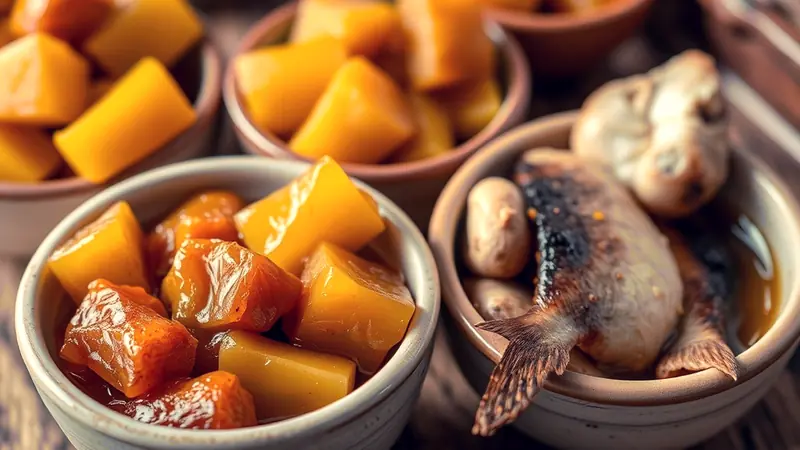
The need to preserve food without refrigeration produced a complex fermentation tradition in Malaysia: belacan, budu, cincalok, pekasam, tempoyak, tapai. The shared mechanism is the action of lactic acid bacteria, which current research links to the prevention of micronutrient deficiencies and non-communicable diseases, chiefly type 2 diabetes and obesity. The added value goes beyond probiotics: fermentation generates postbiotics, metabolites that act directly on the functional properties of food and on gut physiology. Tempoyak, made from fermented durian, and pekasam, fermented fish, are the two most cited case studies demonstrating how a preservation method evolved into a therapeutic tool.
Women's phytotherapy: data and mechanisms
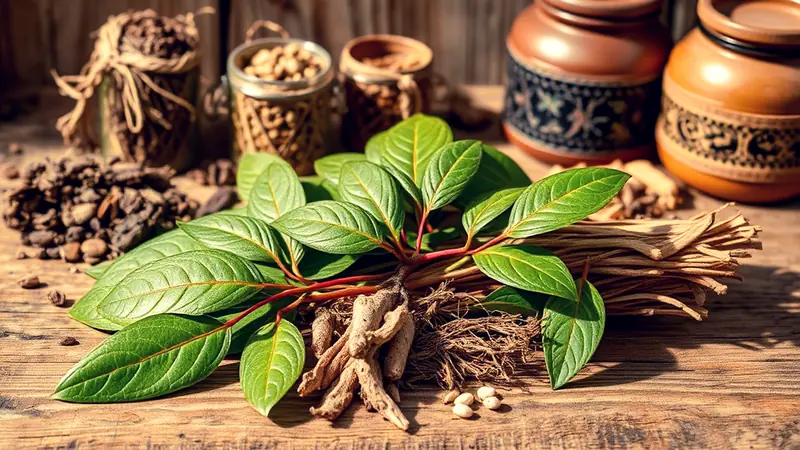
Malay pharmacopeia devotes a specific chapter to women's health. Kacip Fatimah (Labisia pumila) is administered after childbirth to support uterine contraction and physical recovery; its phytoestrogen and isoflavone content is under study for its potential in easing menopausal symptoms, alongside anticancer, antifungal, and anti-inflammatory properties still being characterized. Lemuni Hitam (Vitex trifolia) is used to regulate the menstrual cycle and reduce premenstrual symptoms. Pecah Beling (Strobilanthes crispa) serves a different purpose: liver detoxification and blood pressure regulation.
The edge cases: bezoar stone and Rafflesia
The porcupine bezoar, a concretion that forms in the animal's digestive tract, is classified as a universal remedy for serious conditions, including leukemia and brain tumors. Its chemical composition has not been clarified by available scientific literature. Trade in the substance drives poaching pressure on wild porcupine populations, with direct consequences for the species' conservation.
Rafflesia, a flower with no roots or stem of its own, is used by the Temiar and Jahai communities in decoction form, drawn mainly from its root structures, to accelerate postpartum uterine contraction and to treat fevers and weakened immunity. Harvesting is governed by strict community rules: indiscriminate collection is regarded as a cause of ecological and social imbalance.
Where traditional pharmacopeia meets clinical research
Data emerging from ulam, fermented foods, and medicinal plants point to a common pattern: identifiable bioactive compounds, partially mapped mechanisms of action, and clinical applications still awaiting large-scale validation. Bezoar stones and Rafflesia, by contrast, remain on the margins of scientific characterization, caught between documented traditional use and a lack of verifiable chemical data. The direction of future research will depend on the ability to isolate active compounds from these remedies without depleting the natural resources they come from.