Key Takeaways
- Global consumption: more than 2 billion people worldwide incorporate insects into their daily diet, with Thailand home to over 20,000 cricket farms.
- Preservation techniques: extreme fermentation methods such as Iceland's Hákarl and Sweden's Surströmming transform toxic or perishable foods into stable products tied to cultural identity.
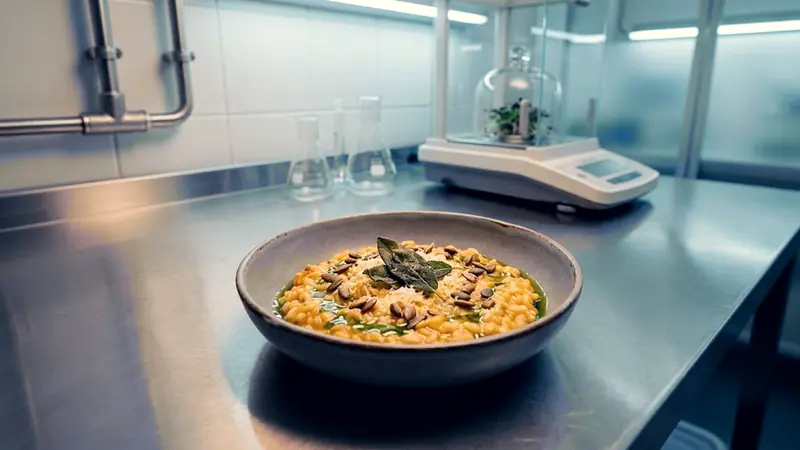
- Demographic projection: with the global population expected to reach 10 billion by 2050, the scientific community is evaluating alternative proteins as a structural response to pressure on food resources.
Insects as an established protein source
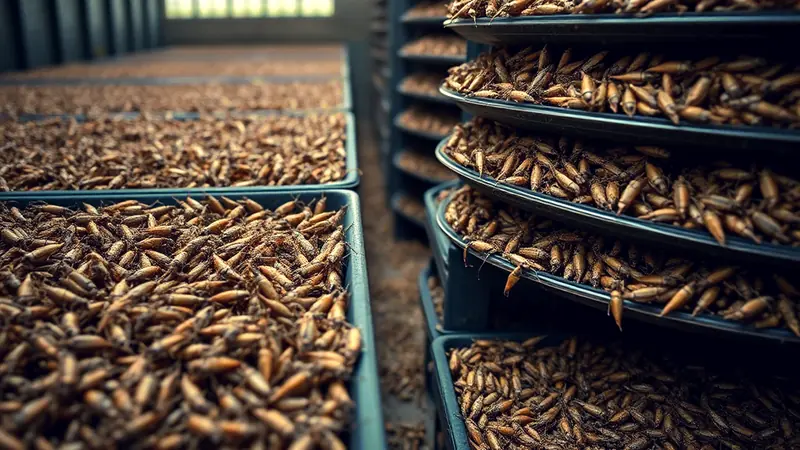
Thailand holds the world's leading production position in the edible insect sector. The country counts more than 20,000 cricket farms, generating thousands of tons annually destined for urban street food, where crickets, grasshoppers, worms, caterpillars and ants are fried and sold on street corners. In Colombia, the practice predates by decades the current global interest in entomophagy: culona ants are sold in bags as a crunchy snack, while in the Amazon region mojojoy, a beetle larva high in protein and lipid content, is consumed grilled on skewers or raw. In Queensland, Australia, indigenous populations use green ants to produce a citrus-flavored juice, also employed for medicinal purposes. In Japan, boiled wasp larvae fall into the category of refined preparations, also available as a snack in cracker form.
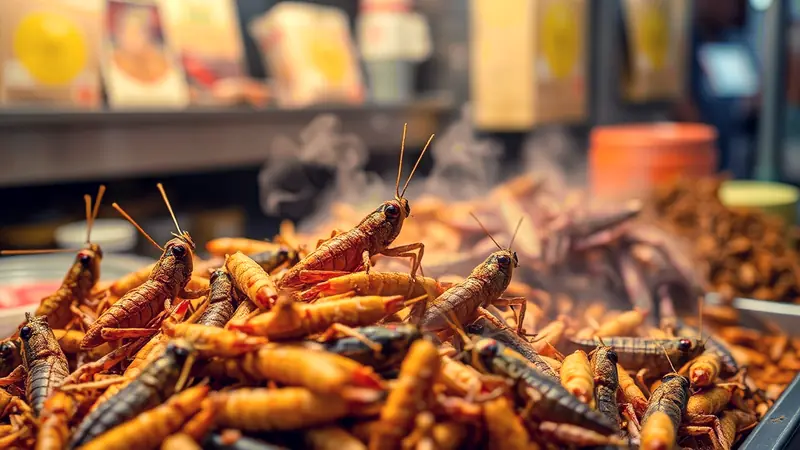
The factor limiting large-scale adoption of these foods is not nutritional: insects provide protein, functional fats and micronutrients with minimal resource impact relative to farming. The obstacle remains cultural perception, rooted in eating habits established over generations.
Extreme fermentation and ancestral preservation
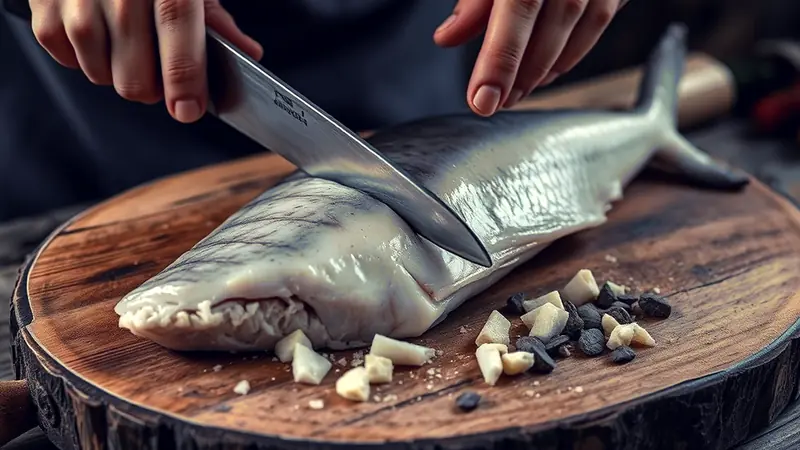
Fermentation represents one of the oldest food technologies adopted by humans, developed to overcome periods of scarcity through controlled accumulation. In Iceland, Hákarl — Greenland shark meat buried and fermented for a period of three to six months — neutralizes the high urea levels that make fresh shark toxic. Consumption today is concentrated mainly among the elderly population and visitors. In Sweden, Surströmming undergoes a canned maturation process lasting months and produces an intense odor upon opening. Its consumption follows a precise ritual: an outdoor meal, thin bread, potatoes and sour cream, in a shared social context that makes it a marker of identity rather than a gastronomic curiosity.
In Sardinia, Casu Marzu introduces live larvae into the cheese decomposition process, producing a soft texture and concentrated flavor; it remains a traditional product despite health restrictions adopted under various regulatory frameworks. In South Korea, Beondegi — steamed or boiled silkworm pupae — is a widespread street snack, often paired with soju, with an earthy flavor profile.

Proteins from eggs and unconventional organs
In the Philippines, Balut, a fertilized duck egg with a partially developed embryo, is boiled and eaten directly from the shell, seasoned with salt, vinegar or chili. It is considered one of the most popular dishes in Southeast Asia. In China, the century egg (pi dàn) matures for weeks in clay, ash and lime, developing a gelatinous texture and dark color. In Vietnam, cobra heart is served still beating, accompanied by a glass of the reptile's blood.

Unusual animals and specific anatomical parts
In Scotland, Haggis — sheep heart, liver and lungs mixed with onions, oats and spices, cooked inside the animal's stomach — is served with mashed potatoes and turnips and is associated with the celebration of Burns Night. In Japan, tuna eyes are prepared steamed or boiled: the texture ranges from chewy to creamy, with a delicate, slightly salty flavor, used as a high-protein snack. In Cambodia, fried spiders (a-ping) represent a street snack rooted in traditional hunting practices, which spread more widely during the 1970s.

Ritual preparations and products of high symbolic value
In Tibet, yak butter tea (bò cha) — made from tea leaves, yak butter, pink Himalayan salt, milk and baking soda — requires a ritual preparation that can take hours. Estimated daily consumption ranges from 40 to 60 servings per person. In China, swallow nests, built by the birds from saliva, form the main ingredient in soups considered among the country's most refined preparations. In Taiwan, stinky tofu stands out for its pronounced smell, while remaining a widely consumed food.
Food taboos and cultural perception of health
Every food system establishes non-negotiable boundaries. In India, the cow is sacred; in Judaism and Islam, pork is forbidden; in many cultures, dogs and cats are considered companion animals rather than food. In China, leaving food on the plate is a sign of courtesy toward the host, while in Japan, passing food from chopstick to chopstick is a gesture associated with funeral rituals and is avoided at the table.
The definition of a healthy diet likewise varies by context. Prevailing Asian dietary patterns are based on plant proteins, with red meat consumption limited to a monthly frequency. In Tanzania, the diet of the Chagga people is based on plants, beans, whole grains and vegetables, with minimal presence of industrially processed products.

Looking toward 2050
The demographic pressure expected by 2050, with the global population estimated at 10 billion, places research into alternative protein sources at the center of food security strategies. Insects, already a structural part of the diet for more than 2 billion people, represent one of the most concrete directions toward which nutritional research is converging, while traditional fermentation techniques continue to demonstrate their original function: turning the need for preservation into a stable food practice that can be passed down through time.