Key Takeaways
- Gastronomic activism in Kyoto: Chef Ken Sakamoto of restaurant Cenci transforms Italian cuisine into an ethical manifesto for the protection of marine ecosystems and fish stocks.
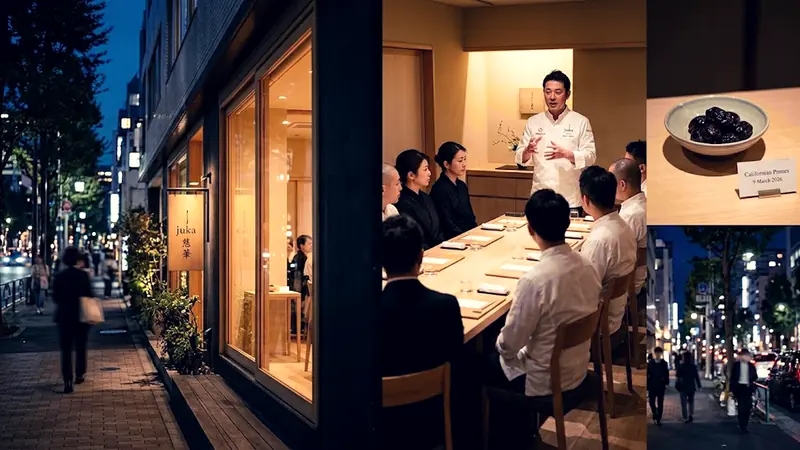
- CNIEL seminar on de-seasonalization (breaking fixed seasonal consumption patterns): French pasture-raised cheeses — produced by cows grazing for over 170 days per year — are reinterpreted through pairings with sparkling sake, katsuobushi, umeshu, and jasmine tea.
- Cultural convergence as a market trend: The collision of distinct culinary traditions is redrawing the positioning logic of premium products, unlocking new consumer segments beyond established seasonal cycles.
Kyoto, Italian Cuisine, and the Chef's Responsibility
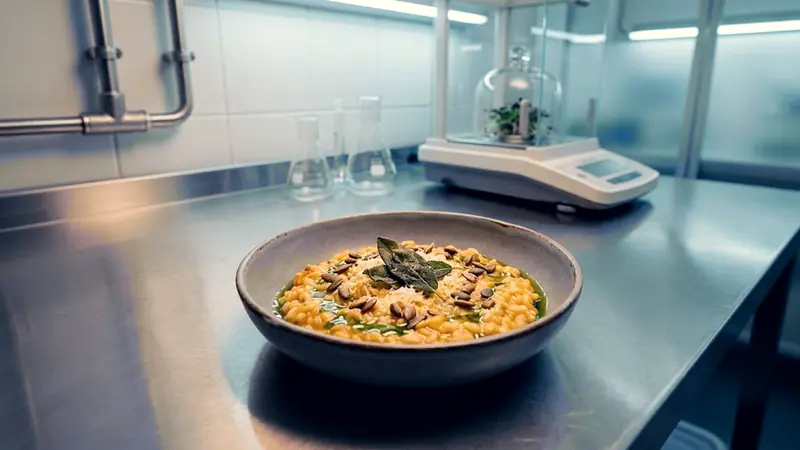
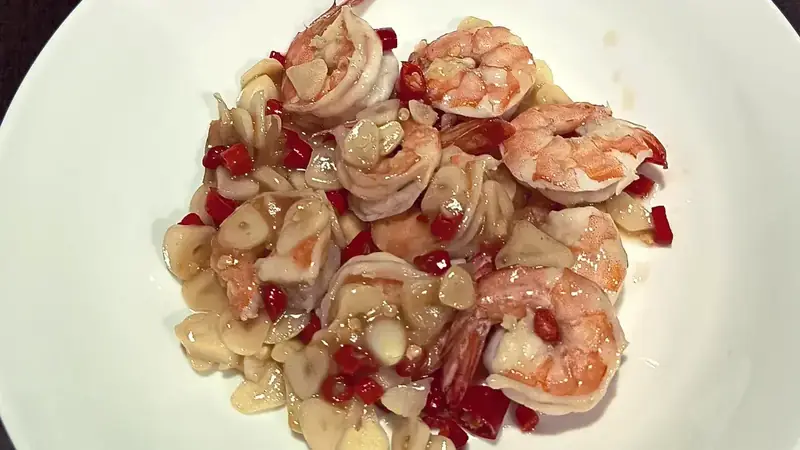
At the heart of Kyoto, inside restaurant Cenci, chef Ken Sakamoto stopped treating cooking as a purely technical act a long time ago. What happens in his kitchen is something far more complex — and in certain respects, more uncomfortable: a declaration of intent. Sakamoto works the Italian culinary tradition with meticulous precision, but it is the conceptual architecture underpinning every dish that sets him apart in the contemporary gastronomic landscape. Kansha (gratitude toward ingredients, a principle deeply embedded in Japanese culture) is not, for him, an abstract statement of values. It translates into operational choices, direct relationships with suppliers, and active advocacy for the protection of marine ecosystems and the sustainability of fish stocks.
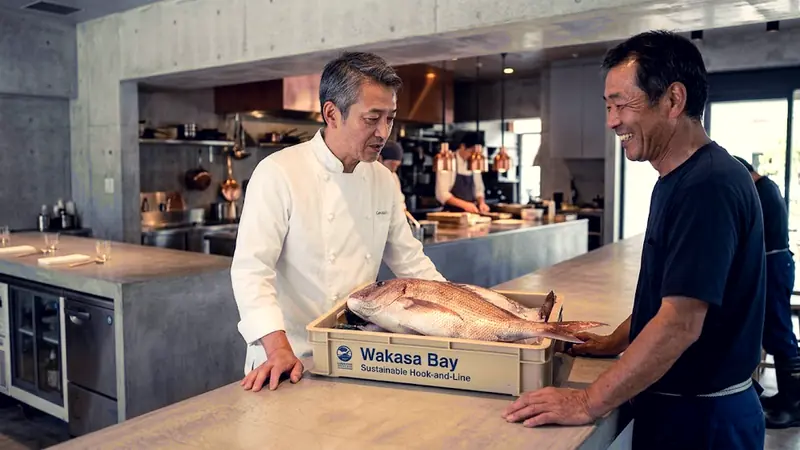
In an industry where food ethics frequently risks collapsing into marketing narrative, Sakamoto's approach stands out for its concrete grounding. The Italian cuisine that comes out of his brigade is neither a faithful replica of an imported model nor an arbitrary fusion of exotic influences. It is the result of sustained reflection on what it means to cook with respect: respect for the fisherman, for the sea from which the product comes, and for the biological cycles that no menu can afford to ignore. This positioning has turned Cenci into a reference point — not only gastronomically, but culturally — within a city that has built its very identity on the layering of past and present.
French Cheeses Challenge the Calendar
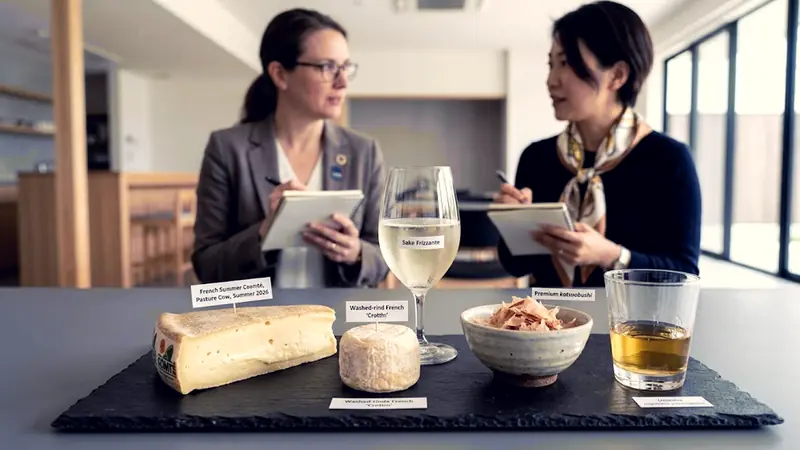
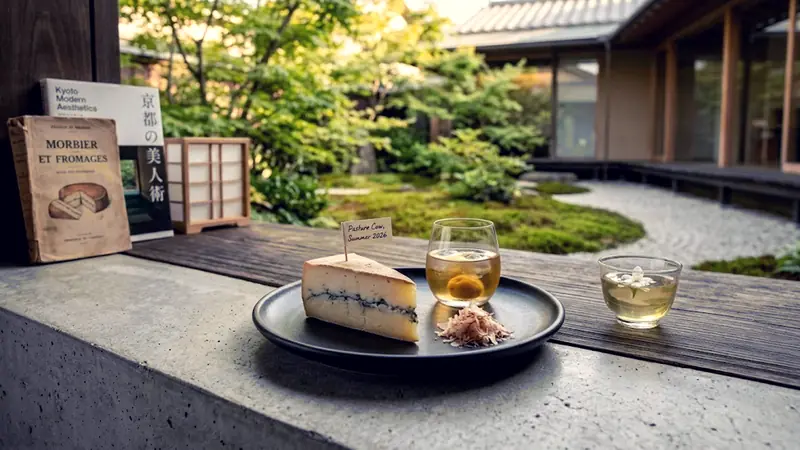
Thousands of miles away, a recent seminar organized by CNIEL — the French National Interbranch Center for the Dairy Economy — tackled one of the most entrenched biases in the perception of dairy products: the assumption that cheese is, by nature and vocation, a cold-season food. The argument advanced during the sessions is sharp and well-documented. Cheeses produced from cows grazing for over 170 days per year develop distinct organoleptic profiles (sensory characteristics including taste, aroma, and texture), directly tied to the variety and freshness of grasses consumed during the summer months. These are products that the market has historically sidelined in the warm season, yet they possess characteristics capable of meeting lighter, less conventional consumption patterns.
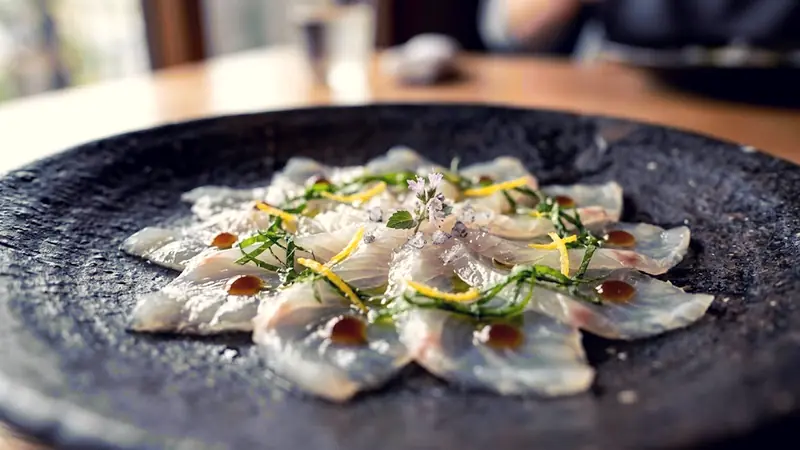
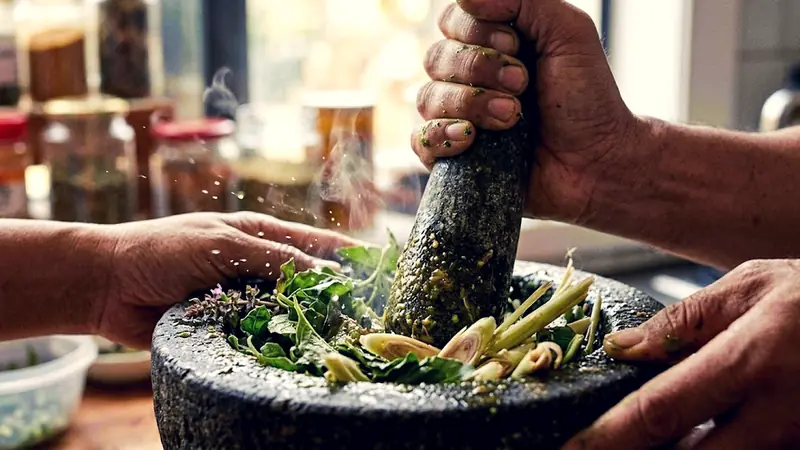
The key proposed by the seminar to break this pattern was pairing with elements drawn from Japanese culinary culture. Sparkling sake, with its delicate acidity and fine bubbles, acts as a counterpoint to the creaminess of dairy, lightening its perceived weight on the palate. Katsuobushi — dried and smoked skipjack tuna (bonito) shaved into ultra-thin flakes — introduces an umami note that engages with the aromatic complexity of certain soft-ripened or washed-rind cheeses. Umeshu, the Japanese plum liqueur (made by steeping ume fruit in alcohol and sugar), delivers sweetness and acidity in precise balance. Jasmine tea, finally, offers a floral aromatic pathway capable of cleansing the palate and priming it for the next bite.
Where the Trajectories Meet
These two stories, apparently separated by every geographical and cultural logic, converge on a single, precise point. Both Sakamoto's work in Kyoto and the CNIEL's inquiry into French summer cheeses interrogate the same fundamental question: how willing are premium food markets to change, and under what conditions? The answer emerging from both contexts is consistent. Change is possible — but it demands that respect for raw materials precede any commercial positioning operation or creative reinterpretation.
In Sakamoto's case, that respect translates into environmental activism. In the case of French dairy producers, it manifests in the valorization of a productive seasonality (the natural cycle of milk and cheese quality tied to grazing periods) that the market had simply stopped communicating. In both instances, the dismantling of cultural barriers is not an end in itself: it is the instrument through which a product reveals a complexity that already existed, but that no one had yet found a way to make visible. The future of premium gastronomy, if these signals are read correctly, is being built in exactly this space — between the nature of an ingredient and the courage of those who decide to show it for what it truly is.