Key Takeaways
- Stated efficiency: Fuel consumption cut by up to 50% thanks to the Blended Wing Body configuration.
- Builder and technology: The Jet1 demonstrator is being assembled by Scaled Composites (Northrop Grumman) in Mojave, California.
- Industrial timeline: First flight targeted for late 2027, with commercial certification of the Z4 model expected by 2030.
Wing and Fuselage Merged Into One Structure
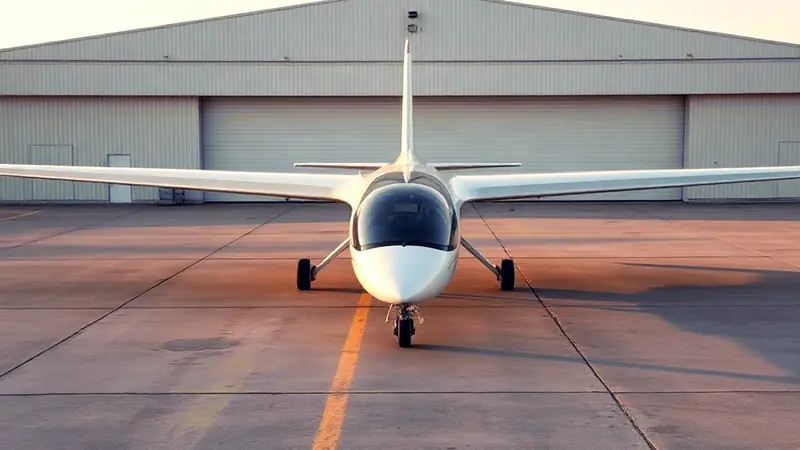
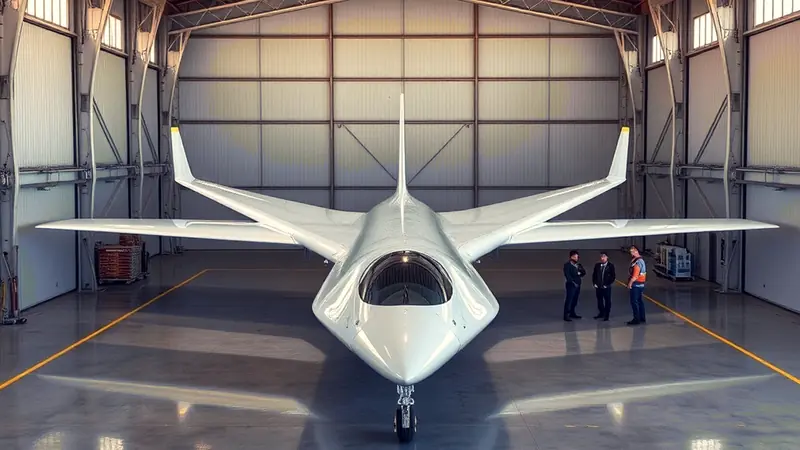
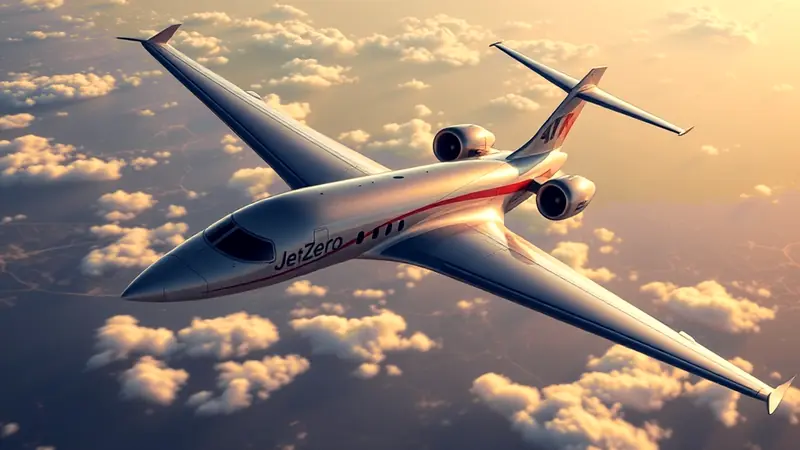
JetZero has begun physical assembly of the Jet1, the first full-scale demonstrator built on the Blended Wing Body configuration. The fuselage is no longer a separate cylinder bolted to the wings: the entire airframe generates lift, cutting parasitic aerodynamic drag. Wingspan exceeds 56 meters. The structure is built from carbon composite materials, a necessary choice to manage the unconventional loads produced by this geometry.
Derivative Propulsion, Not Experimental
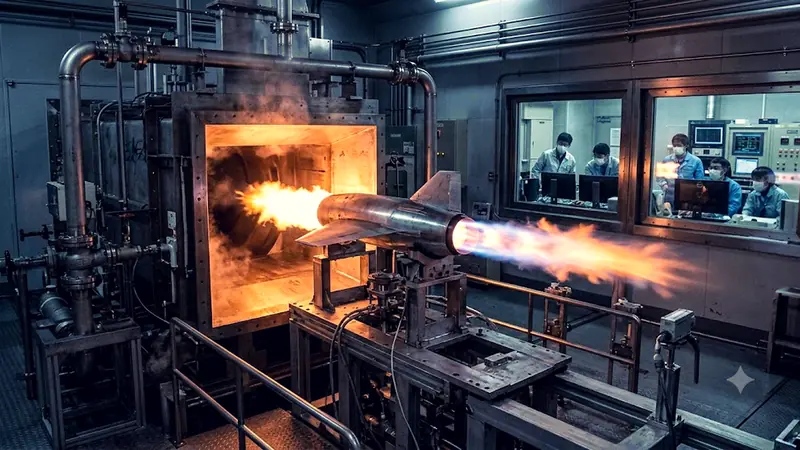
The aircraft is powered by two Pratt & Whitney PW2040 engines, the same units certified for the Boeing 757. This choice isolates the risk variable: JetZero is testing the airframe's aerodynamics, not its propulsion. The approach speeds up validation of the flight control systems, which are critical given the absence of a conventional tail to stabilize the aircraft.
Mixed Funding and a Path to Commercial Service
The US Air Force has committed $235 million to the program, a signal of dual civil-military interest in the BWB platform. United and Alaska Airlines have invested in the project, positioning themselves for an option on the commercial Z4 model, seating 200-250 passengers. Jet1's first flight in late 2027 marks the technical gate that will determine whether the BWB geometry moves past the experimental stage.