Key Takeaways
- Valuation and capital: Shield AI reached a valuation of $12.7 billion following a $2 billion Series G round closed in March 2026.
- Core technology: the Hivemind software pilots drones and aircraft without GPS, satellite communications, or a human operator, and has already been selected for the autonomous YFQ-44A Fury fighter and the U.S. Department of Defense's LUCAS program.
- Operational impact: V-BAT drones have flown over 200 sorties in Ukraine and helped seize more than a billion dollars in drugs in the Gulf of Mexico for the U.S. Coast Guard.
A Former Navy SEAL and the Birth of Shield AI
Brandon Tseng, two tours in Afghanistan and one incident in Uruzgan where his fellow soldiers lost their lives entering a building without knowing what was inside, founded Shield AI in 2015. Ten years later the company has become the leading operator of military autonomy in the world, with a valuation of $12.7 billion confirmed by the $2 billion Series G round closed in March 2026.
Hivemind, the Software That Operates in the Dark
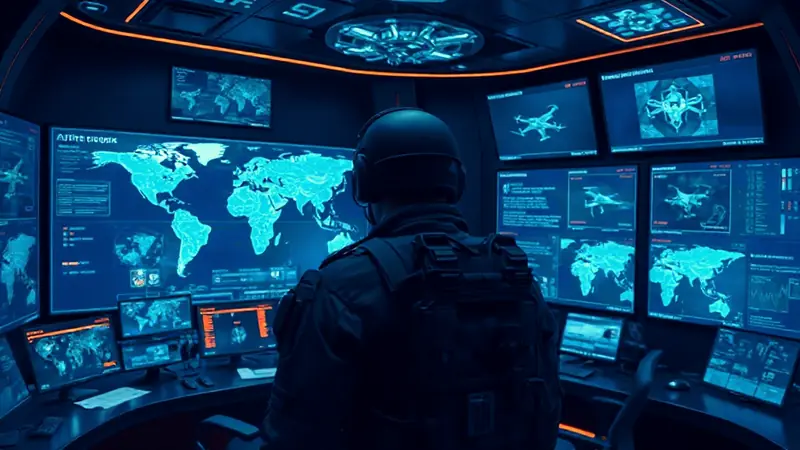
At the center of this growth is Hivemind, an artificial intelligence system that allows drones and aircraft to navigate, decide, and act without GPS, without a satellite link, and without a real-time human operator. In scenarios saturated by electronic jamming, where most remote systems lose control and visibility, Hivemind autonomously builds a map of the environment through its own sensors and shares it with the other aircraft in the swarm.
The V-BAT and Operational Contracts
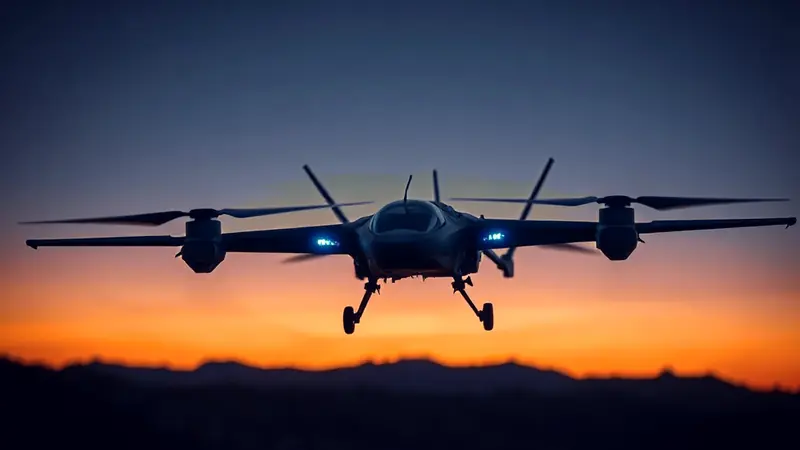
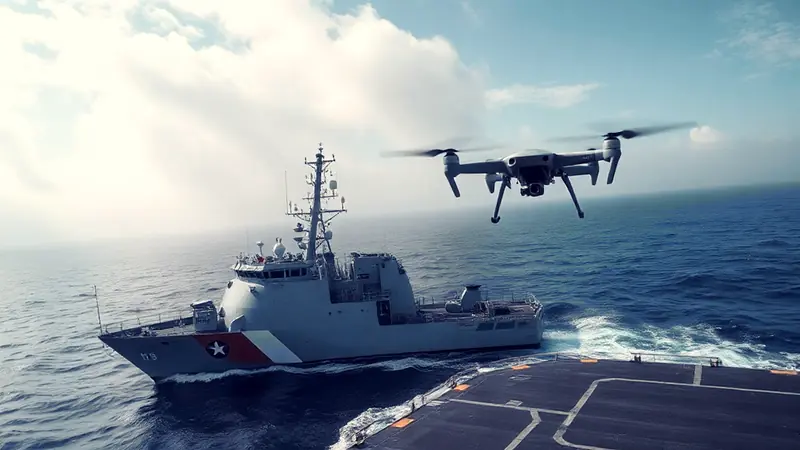
The V-BAT VTOL drone, standing nearly three meters tall and weighing 82 kilograms, takes off from minimal platforms and can hover over an operational field for hours. The U.S. Coast Guard awarded it a $198 million contract: in 2025, V-BATs helped seize more than a billion dollars in drugs in the Gulf of Mexico. The U.S. Navy has also selected Shield AI to compete for an additional $800 million in ISR services.
The Ukrainian Proving Ground
By April 2025, V-BATs had completed more than 130 sorties in Ukraine, in the most contested electronic warfare environment currently underway. That number rose to over 200 missions in the following months. The company has stated it must work in close contact with operators on the ground to build reliable systems under the harshest conditions.
Revenue Growth and the Entry of Institutional Investors
Revenue grew from $163 million in 2023 to $267 million in 2024, a 64% increase, and reached $300 million in 2025. For 2026, the company is targeting more than $540 million, on a trajectory that would push it past the billion-dollar mark by 2028. Investors include Andreessen Horowitz, L3Harris, Hanwha Aerospace, Blackstone, and JPMorgan, focused not on any single aircraft but on the underlying software platform.
Hivemind Expands Beyond the V-BAT
In February 2026, the U.S. Air Force chose to install Hivemind on the YFQ-44A Fury, an autonomous combat aircraft built by Anduril as part of the Collaborative Combat Aircraft (CCA) program. The choice won out over Anduril's own proprietary Lattice software, developed for that same aircraft.
LUCAS and Coordinated Mass
In May 2026, the Department of Defense selected Shield AI to integrate Hivemind into the LUCAS program, a class of kamikaze drones designed to operate in swarms coordinated by a single operator. Brandon Tseng described Hivemind as the system that makes that mass coordinated and operational, not just numerous.
X-BAT and the Acquisition of Aechelon
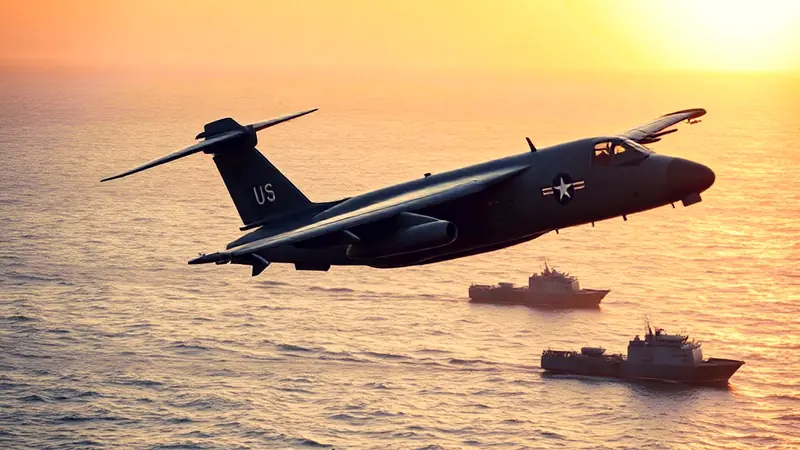
The X-BAT project envisions an autonomous VTOL fighter 8 meters long, with a 12-meter wingspan, an operational altitude of 15,000 meters, and a range of 3,700 kilometers with no human pilot. In March 2026, Shield AI acquired Aechelon Technology, a company specializing in military training simulation, with the goal of linking simulation, testing, and operational deployment into a single continuous cycle.
Compressing Development Timelines
With Shield AI's current tools, two engineers can build an AI pilot for a kamikaze drone in under two weeks, a process that four years ago required 150 engineers and 18 months. This compression accelerates adoption by allied forces while simultaneously lowering the technical barrier needed to replicate similar systems elsewhere.
The Question of Lethal Decision-Making
Brandon Tseng states that the decision to use lethal force remains a human decision. Hivemind, however, is designed to operate without constant communication with an operator: in jamming-saturated environments, the system's survival depends on its ability to decide autonomously.
The Bigger Picture in the Defense Budget
The Pentagon requested $13.4 billion for autonomous systems in the 2026 budget, the first time the Department of Defense has dedicated a specific line item to autonomy and artificial intelligence. Shield AI already operates in Ukraine and the Caribbean Sea, and is preparing to integrate with F-35 fighters, with a company born from a soldier's direct combat experience now at the center of U.S. military programming on autonomy.