Key Takeaways
- The data: In 2024 Thailand produced nearly 10 million tons of food waste, of which 4 million tons was still edible, enough to feed 3.8 million vulnerable people.
- The mechanism: NSTDA (สวทช.) has created the Food Surplus Credit, a system that converts donations of surplus food into verifiable carbon credits through the T-VER program.
- The expansion: The project, part of the Thailand's Food Bank platform alongside the SOS Foundation, aims to cover 30 provinces by 2028, starting with Chiang Mai, Lampang, and Lamphun.
NSTDA, Thailand's science and technology agency, has developed a mechanism that turns surplus food into tradable carbon credits. Companies that donate food instead of discarding it earn certified credits, which can be used to offset their own emissions or sold on the voluntary carbon market.
Calculating Avoided Emissions
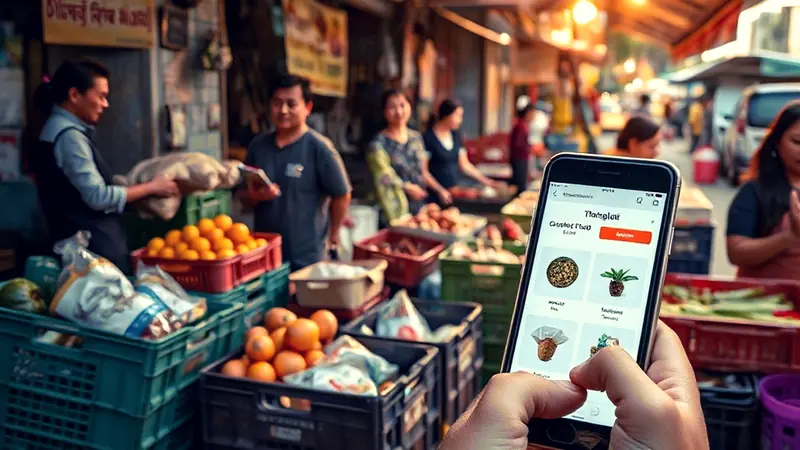
The mechanism is based on measuring the methane not emitted because the food doesn't end up in a landfill, where decomposition produces greenhouse gases. From this value, the emissions generated by the recovery process are subtracted: electricity for refrigeration, fuel for transport, packaging materials. The result is a net carbon credit, certified under the T-VER (Thailand Voluntary Emission Reduction Program), managed by Thailand's Greenhouse Gas Management Organization.
Four Operational Pillars
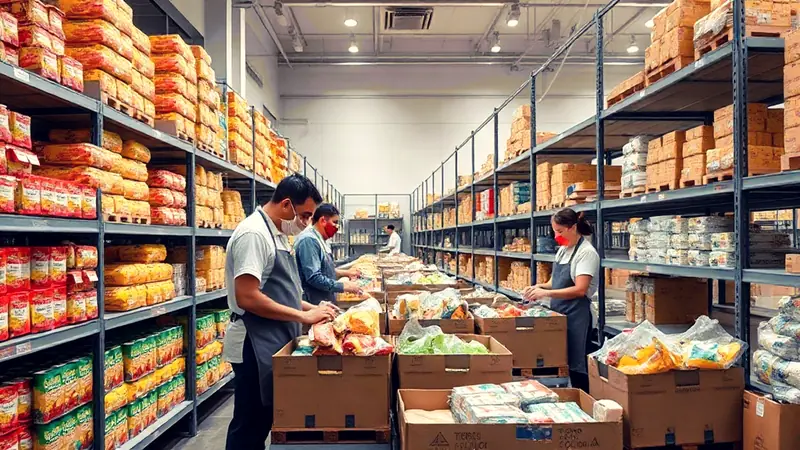
The system rests on four distinct elements. The Biotechnology Center (BIOTEC) has set the food safety guidelines for donations. The National Electronics and Computer Technology Center (NECTEC) has developed a digital platform connecting donors and recipients. The T-VER program handles credit certification. A fourth pillar involves tax incentives for donor companies.
Territorial Expansion and Regulatory Gap
After the pilot phase, NSTDA teams are now operating in the northern provinces of Chiang Mai, Lampang, and Lamphun, engaging hotels, supermarkets, and local communities in high-tourism-density areas. The stated goal is to extend the model to 30 provinces by 2028. Thailand does not yet have a specific law on food donation: NSTDA is pushing for a bill that would include a compensation fund and broader tax breaks.

Emission Reduction and the Net Zero Target
The project fits into Thailand's national net-zero emissions strategy. Reducing the volume of food waste sent to landfills directly cuts methane emissions, one of the greenhouse gases with the greatest climate impact. NSTDA aims to export the model as a reference for other Asian countries, where food waste and food insecurity coexist.