Key Takeaways
- Investment: Renault allocates 25 million euros for a simulator dedicated to autonomous vehicles.
- Technology: Six-degree-of-freedom platform installed at the Technocentre in Guyancourt, used to validate driver-assistance software before road testing.
- Impact: Reduction in the physical test mileage required for the homologation of Level 2 and 3 functions.
The Logic Behind the Investment
Renault is putting 25 million euros into a specific piece of infrastructure: a simulator for autonomous vehicles installed at the Technocentre in Guyancourt, the French carmaker's historic engineering hub in the Paris region. The sum doesn't fund a car prototype — it funds a test rig that replicates a vehicle's dynamic behavior across six degrees of freedom, the full range of physical movements a cabin experiences on real roads, from pitch to yaw.
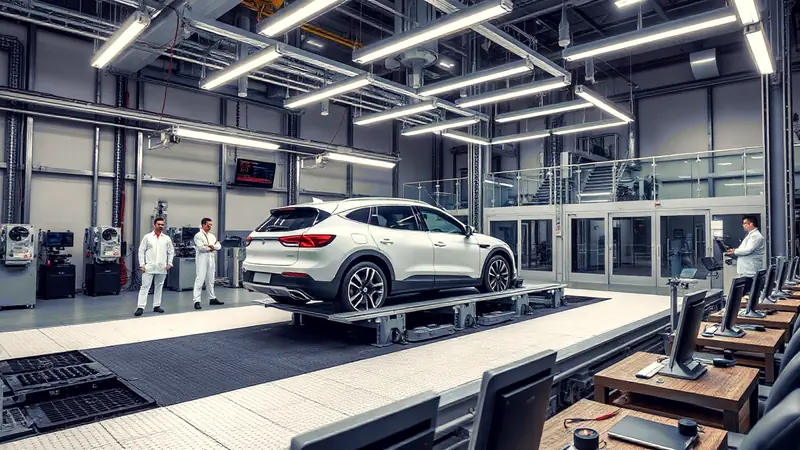
The system's operational purpose is early-stage validation of driver-assistance software. Before a Level 2 or 3 algorithm ever touches public asphalt, it goes through thousands of simulated cycles reproducing traffic scenarios, weather conditions, and edge cases that would otherwise be expensive and risky to recreate on a test track.
A Piece of the Homologation Puzzle
The project fits within Europe's regulatory framework for driver assistance, where Level 2 and 3 systems face strict certification processes before they can reach the market. Having in-house simulation infrastructure lets Renault control the timing and cost of validation, cutting reliance on outside road-testing providers during the early development stages.
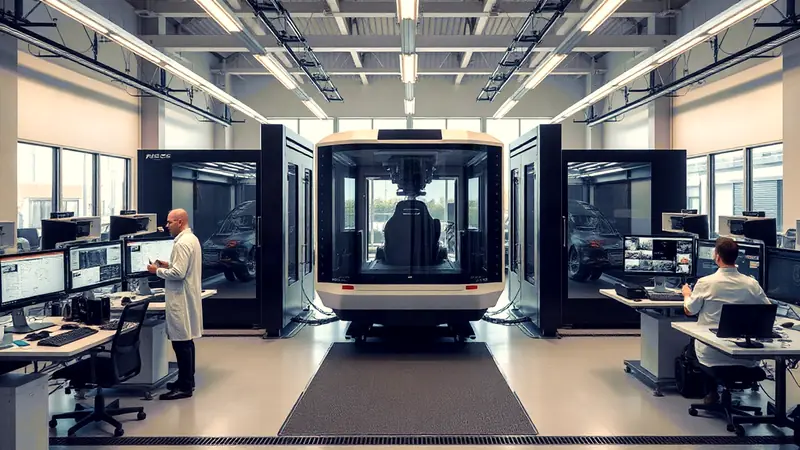
Concentrating the investment in Guyancourt, the group's longtime R&D headquarters, reinforces a strategy of centralizing technical expertise on autonomous driving in a single hub, with the stated goal of speeding up the rollout of increasingly sophisticated assistance features.