
Key Takeaways
- Native integration: Anthropic has rolled out an integrated browser within Claude Code, accessible via Ctrl+Shift+B (Windows) or Cmd+Shift+B (Mac).
- Sandbox security: The browser runs in an isolated profile with no access to history, bookmarks, or saved credentials, backed by safety classifiers that block unauthorized write actions.
- Fable 5 extension: The third extension of promotional access to the model, valid through July 19, with weekly usage limits increased by 50%.
The Browser Enters the IDE
On July 10, 2026, Anthropic announced the introduction of a browser built directly into the Claude Code desktop application. The rollout comes just days after OpenAI shut down its Atlas browser, amid intensifying competition among AI agents built for software development.
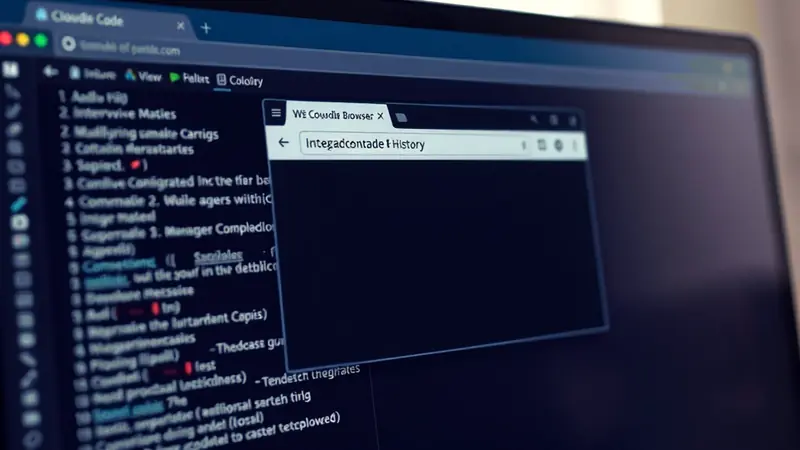
The system removes the manual back-and-forth between code editor and external browser windows. Claude Code can now open, read, and interact with any website right inside its own interface, running web research alongside active code work. The agent reads page content, clicks links, navigates across multiple tabs, and fills out forms, all without the user ever leaving the development environment.
How It Works and User Control
Activating the browser opens a tabbed panel next to the code window. From there, Claude can browse on its own or follow direct instructions. Users decide whether a session, including temporary browsing data like cookies, should persist beyond an app restart.
Security Architecture
The integrated browser shares nothing with the user's personal browser. It runs in an isolated sandbox, with no access to history, bookmarks, or saved credentials, a clean environment built for research and testing, not for operating already-authenticated accounts.

Anthropic added two specific control mechanisms. A safety classifier system reviews every write action the model attempts, such as a click or text input, requiring user approval regardless of the active operating mode. When automatic mode isn't enabled, Claude can only reach sites listed on a whitelist set by the user or admin. The agent refuses to make purchases, create accounts, or solve captchas without explicit authorization. For tasks involving already-authenticated services, Anthropic continues to point users toward its Chrome extension, keeping the integrated browser dedicated to building and testing.
A Third Extension for Fable 5
Alongside the browser announcement, Anthropic extended promotional access to the Fable 5 model through July 19. It's the third extension in just a few weeks for a model whose launch was initially held up over export restrictions. Until the new deadline, Fable 5 remains included in subscriptions, with weekly usage limits raised by 50%.

With these two moves, Anthropic pushes Claude Code's reach beyond writing code, toward direct, controlled interaction with the web, while keeping authenticated browsing and testing environments strictly separate.