
Key Takeaways
- Macro figure: Global trade in counterfeit and pirated goods exceeds $500 billion annually, accounting for roughly 2.5% of world trade, according to the OECD.
- Technology deployed: 3D printers, precision CNC machinery, and deep learning algorithms now allow counterfeiters to replicate textures, weights, and even manufacturing defects found in genuine products.
- Health risk: The WHO estimates that around 10% of medicines sold in low- and middle-income countries are falsified or substandard, with seizures also reported in Europe and the United States.
A Parallel Market Worth Half a Trillion Dollars
International trade in counterfeit and pirated goods has surpassed $500 billion, according to OECD estimates, now accounting for nearly 2.5% of global commerce. Behind this figure lies a deeper qualitative shift: counterfeiting no longer means producing crude imitations that are obvious at a glance. Instead, fake goods are now manufactured using machinery identical to that of legitimate companies, with comparable materials and quality-control processes designed to replicate every detail, down to weight and texture.
Luxury Goods and the Rise of "Superfakes"
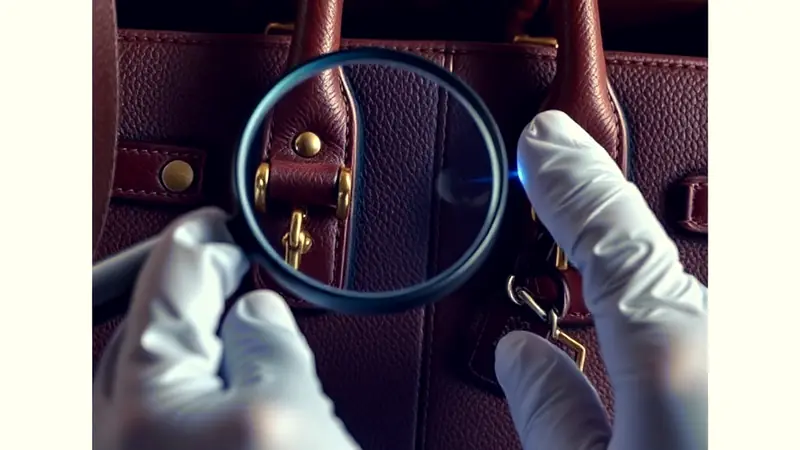
In the luxury leather goods sector, counterfeiters study stitching down to the millimeter and reproduce leather tones using tanneries connected to the official supply chains of major fashion houses. Metal hardware is cast from alloys identical to the originals. Industry insiders call these products "superfakes," often manufactured in the same regions where legitimate suppliers operate, creating a production overlap that makes traceability extremely difficult. Authenticators — the professionals trained to distinguish real from fake — now rely on X-rays, electron microscopes, and chemical analysis to catch the deception, and even then, they don't always succeed on the first attempt.
Counterfeit Medicines: A Public Health Threat
In the pharmaceutical sector, counterfeiting stops being purely a commercial issue. The WHO estimates that around 10% of medicines circulating in low- and middle-income countries are falsified or substandard. The problem is not confined to emerging markets: counterfeit drugs for cancer, viral infections, and cardiac conditions have also been seized in Europe and the United States. Counterfeiters replicate blister packs, package inserts, and traceability codes with striking accuracy. In some cases, the active ingredient is present but in incorrect doses or contaminated with impurities; in others, the pills are inert placebos that deprive patients of treatments they urgently need. Chemical differences from the genuine product are often detectable only through advanced laboratory analysis.

Electronics: Chips and Batteries at Risk
Smartphones, chargers, and hardware components are being reproduced with increasing precision. A counterfeit charger can look identical to the original, packaging included, while concealing faulty circuitry or batteries prone to overheating. Counterfeit chips, which have even been found in the supply chains of major corporations, can compromise cybersecurity by introducing vulnerabilities into systems assumed to be secure. The fragmentation of global supply chains makes it increasingly difficult to trace the origin of every individual component.
What's Driving the Sophistication
The spread of 3D printers, industrial design software, and high-precision CNC machinery has put tools once reserved for major manufacturers within easy reach. The globalization of supply chains has multiplied the number of subcontractors and third-party manufacturers, fragmenting quality control: the very same facilities that produce goods for legitimate brands by day can switch to parallel-market production by night. Artificial intelligence and deep learning techniques are now used to analyze and reproduce patterns, textures, and even the manufacturing imperfections that once made genuine products unmistakable.

Countermeasures Underway
Luxury brands and pharmaceutical companies are investing in traceability systems based on RFID tags and blockchain technology. Artificial intelligence is also being deployed on the defensive front, powering automated image analysis to detect anomalies invisible to the human eye. IoT sensors are being integrated into supply chains to track products from production through distribution. International regulations, however, continue to lag behind the pace at which counterfeiting techniques evolve, leaving institutions with an increasingly narrow window to intervene.