Key Takeaways
- A new manufacturing standard: four makers have launched smart glasses without cameras, focusing on heads-up displays and AI assistants for professional use.
- Technologies involved: Even Realities G2, Xgimi MemoMind One, iFlytek AI Glasses, and Jupiter JOVE Glasses Lite 1, featuring waveguide displays and real-time translation covering up to 122 languages.
- Market impact: the AI smart glasses sector is projected to reach $3.01 billion by 2032, with enterprise productivity emerging as the leading segment following backlash over built-in camera misuse on other devices.
Four manufacturers rolled out camera-free smart glasses in 2026, stripping out recording capabilities entirely and focusing solely on professional productivity. The move comes as rival models equipped with built-in cameras face mounting privacy backlash.
Even Realities G2: Productivity First
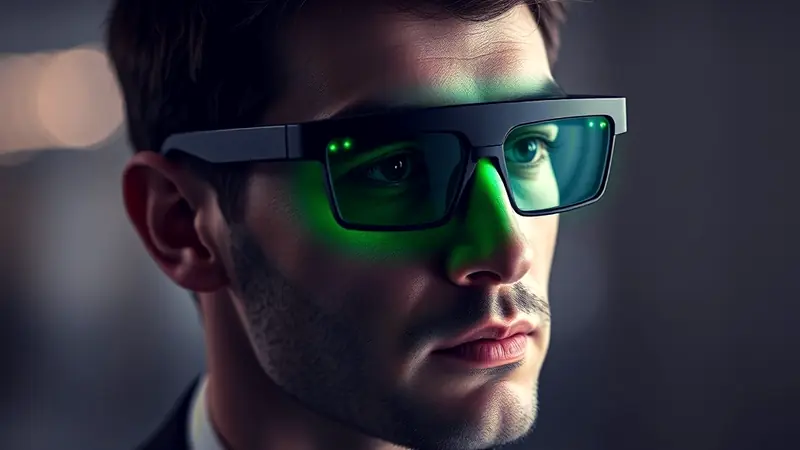
Even Realities has stripped both cameras and speakers from its G2 model. The company states the decision aims to ensure "the people around you don't have to worry about being filmed." The device weighs 35 grams and features a monochrome green heads-up display with 1,200 nits of brightness, a 75% larger surface area than its predecessor, and a 60Hz refresh rate. Battery life lasts two days, extendable up to seven charges via the case. Built-in features include appointment management, notifications, real-time translation, and a Teleprompt module for presentations.
MemoMind One: Display Without a Lens
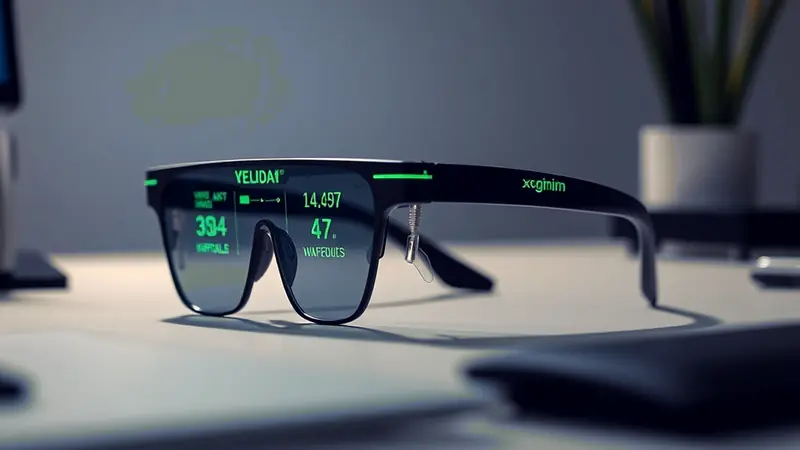
Xgimi introduces the MemoMind One, built around a waveguide display that projects information in front of the eyes without any optical sensor. The device weighs approximately 47 grams and delivers up to 16 hours of battery life. The bright green display evokes the monochrome interfaces of early personal computers. The Verge's reviewer called the experience "completely convincing" after a week of continuous use.
iFlytek: Translation Across 122 Languages
iFlytek unveiled its AI Glasses at BEYOND Expo 2026 in Macau, weighing just 40 grams. The system supports real-time translation across 122 languages, covering face-to-face conversations, phone calls, online meetings, and visual text. The standout feature is its multimodal noise reduction system, which combines a 5+1 microphone array, optical sensors, and bone conduction to isolate the speaker's voice through lip movement tracking. The built-in AI agent, GlassClaw, handles meeting transcription, information organization, and email dispatch.
JOVE Glasses Lite 1: An Office Tool
Jupiter introduced the JOVE Glasses Lite 1, designed as a daily work tool. It weighs 29 grams and delivers up to 72 hours of standby time. The built-in AI assistant, Jenius, handles text-to-speech, real-time translation, presentation generation, and automatic reminders.
The Privacy Concerns Behind the Shift
The push toward camera-free devices follows a string of incidents involving smart glasses equipped with optical sensors, used to record people without consent in public spaces. Meta responded by rolling out an update that disables the camera if the recording LED is tampered with, while the company is also testing a prototype dubbed "super-sensing," capable of capturing images at regular intervals and continuously sampling audio.
Market Projections
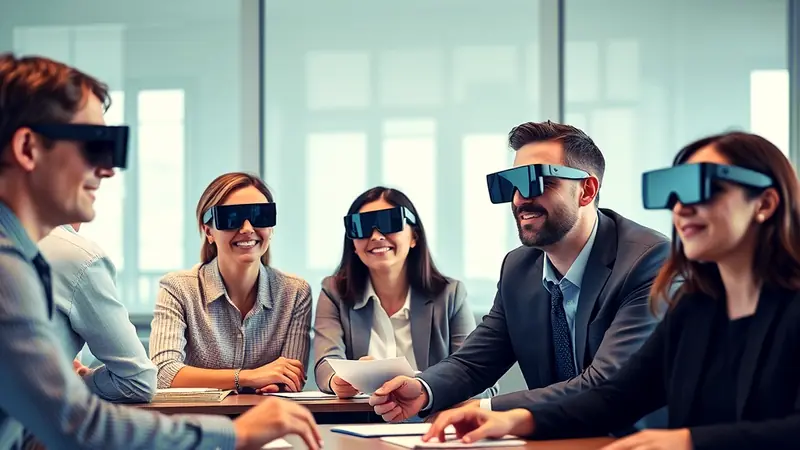
The enterprise productivity segment of smart glasses is flagged as a key growth area within an overall market estimated at $3.01 billion by 2032. The four models examined share the same design logic: stripping out the optical component to concentrate hardware resources on translation, notifications, and workplace operational support.