Key Takeaways
- Tariff elimination: From 1 May 2026, China applies zero tariffs on all goods from 53 African countries, cocoa included, replacing previous rates ranging from 8% to 22%.
- Production shortfall: West Africa's 2025-2026 output falls to 4.368 million tonnes (-12.9%), with Ghana's harvest nearly halved and Ivory Coast contracting from 2 million to 1.6 million tonnes.
- Supply chain integration: China Light Industry Nanning Design Engineering Company (CLINDE) has built processing plants with 50,000-tonne annual capacity in Ivory Coast, shifting Chinese interest from raw material to high-value derivatives.
Tariff elimination as a structural lever
On 1 May 2026, Beijing activated a zero-tariff regime covering 53 African nations with which it maintains diplomatic ties, excluding only eSwatini due to its relations with Taiwan. The measure, valid until 30 April 2028, expands a framework that since 2024 already covered the 33 African countries classified as least developed. For cocoa from Ivory Coast and Ghana, the effect is immediate: previous rates, ranging from 8% to 22% depending on the product's processing level, have been eliminated. China's ambassador to Ghana, Cong Song, confirmed the shift: Ghanaian cocoa can now enter the Chinese market without any tariff barrier.
Competitive asymmetry and trade trajectory
The removal of tariffs creates a direct asymmetry compared with other export markets, where West African cocoa continues to face duties of between 8% and 30%. The underlying trend confirms the direction of the flow: Chinese cocoa imports rose from 714 million dollars in 2013 to 1.34 billion in 2024, an 89% increase over the decade. African agricultural exports to China reached 6.2 billion dollars in 2025, though still under 5% of total Chinese food imports. The scope for expansion remains wide, and structurally unsaturated.
Impact on the production segment
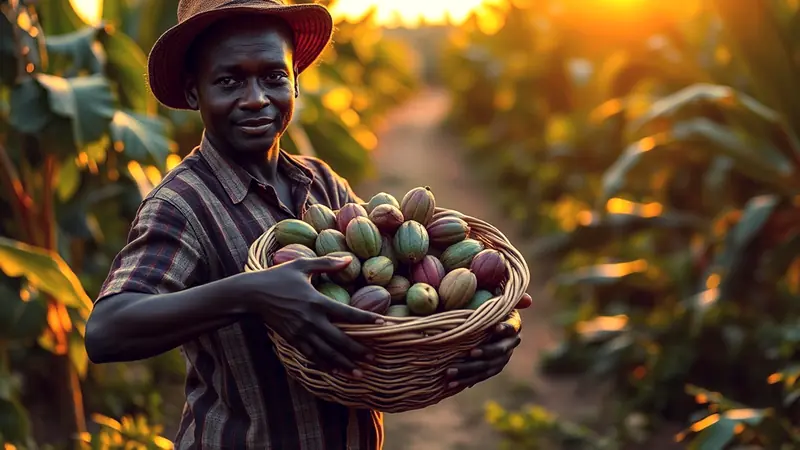
In Cameroon, the world's fifth-largest producer with over 300,000 tonnes annually and half a million workers in the sector, cocoa prices had collapsed by as much as 75% in the early months of 2026. Producer George Wambo Cornyu called the tariff measure "the best news for us farmers," pointing to the elimination of duties as a direct boost to revenues. Sandra Mbah, a second-generation farmer, linked the tariff shift to local processing capacity, highlighting reduced operating costs for companies engaged in bean processing.
From raw material to industrial integration
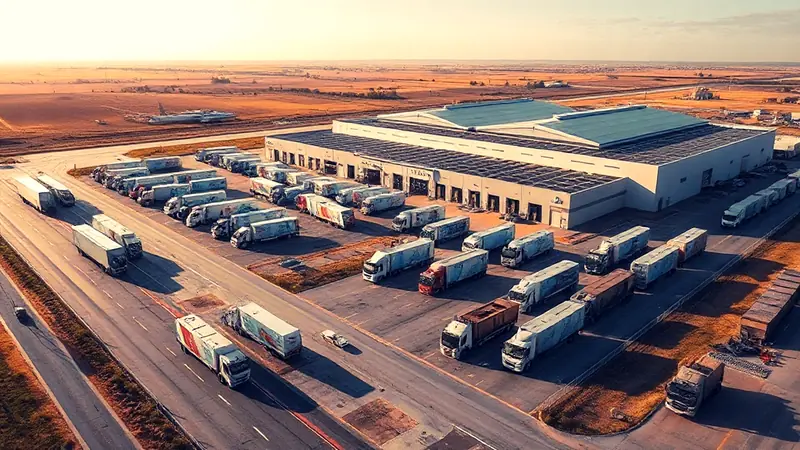
Beijing is not limiting its intervention to opening the trade channel. In Ivory Coast, the world's top producer, China Light Industry Nanning Design Engineering Company (CLINDE) has built two processing plants, each with an annual capacity of 50,000 tonnes. Similar investments in processing capacity have been recorded in Ghana, with the stated goal of securing preferential access to derivatives such as cocoa butter and powder. The underlying industrial logic points toward a vertically integrated supply chain, linking the origin of raw material to value-added processing under Chinese control.
Supply contraction and pressure on Asian demand
West Africa generates over 70% of the world's cocoa production, but the 2025-2026 season marks a contraction to 4.368 million tonnes, down 12.9% year-on-year. In Ivory Coast, output falls from 2 million to 1.6 million tonnes; in Ghana, the near-halving takes the figure from 1 million to roughly 500,000 tonnes, driven by a combination of plant disease and weather instability. Adeola Adegoke, president of the Cocoa and Coffee Farmers Alliance of Africa, pointed to emerging consumption in China and India, describing the tariff elimination as a positioning lever for African producers.

Reshaping trade routes
Europe still absorbs two-thirds of African cocoa, but from 30 December 2026 the EUDR regulation will introduce stricter anti-deforestation requirements, obliging companies to verify compliance with regulations in the country of origin. In parallel, overall China-Africa trade reached 348 billion dollars in 2025, with Chinese exports to the continent growing 25% to 225 billion, while imports from Africa rose just 5% to 123 billion. The imbalance points to the need, according to sector analysts, for additional investment in African industrial capacity to convert tariff access into value retained along the supply chain.