Key Takeaways
- Commercial expansion: E-commerce across the EAEU is worth $82 billion and is projected to reach $110 billion by 2030, with its share of total retail set to climb from 13% to 30%.
- New Customs Code: Starting December 2025, parcels moving within the EAEU remain duty-free, while purchases from Amazon, Alibaba and Temu face a reduced 5% duty plus VAT, pushing the total cost in Kazakhstan up to 21%.
- War and logistics: Ukrainian drone strikes have damaged 18 Wildberries hubs in Russia, prompting the company to seek warehouse space in Kazakhstan, while VTB Bank and Sberbank tighten financial control over the marketplaces.
A trade bloc of 183 million consumers
The Eurasian Economic Union is becoming the ground on which Russian marketplaces Wildberries, Ozon and Yandex Market are building an integrated logistics architecture. The bloc, which brings together five former Soviet republics with a combined GDP of $2.4 trillion, is watching e-commerce grow from $82 billion to a projected $110 billion by 2030, according to estimates from Eurasian Trade Minister Andrei Slepnev.
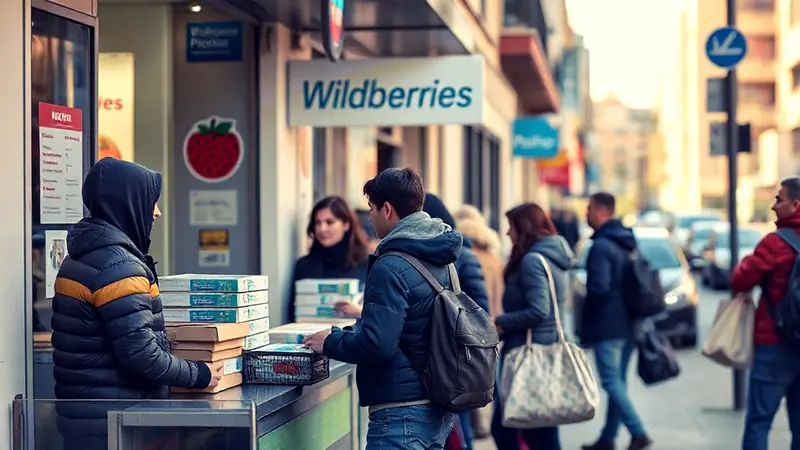
The physical network is outpacing the growth in online purchases. In Astana, Kazakhstan alone, 159 Wildberries pickup points and 128 Ozon points are already operating, a density that has turned the Kazakh capital into a central logistics node for the entire customs union.
The new Customs Code as a protective barrier
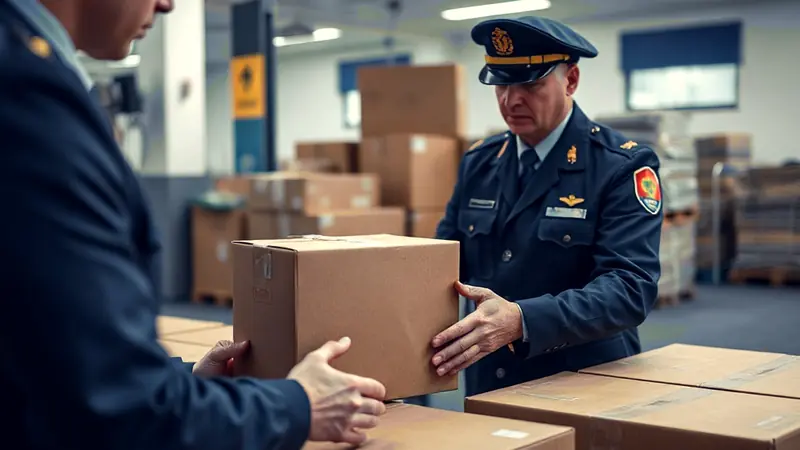
In December 2025, Kazakhstan became the last member state to ratify the EAEU's new Customs Code, drawing a sharp line between internal and external flows. Parcels circulating between member countries remain exempt from duties and customs declarations, while every purchase from outside platforms such as Amazon, eBay, Alibaba, Temu or Pinduoduo now requires a mandatory declaration, regardless of the value of the goods.
The duty applied to non-EAEU products drops from 15% to 5% of value, but it stacks on top of VAT, which will rise to 16% in Kazakhstan starting in January 2026, bringing the total tax burden to 21%. The regulatory structure structurally favors Russian marketplaces, which were already firmly established in the region before the new rules took effect.
The Armenian case and geopolitical tensions
In April 2026, Wildberries and Ozon suspended sales of Armenian products on their platforms, citing new customs clearance procedures and demanding additional documentation from sellers. In Yerevan, the move was read as political retaliation tied to Armenia's gradual drift away from Moscow and toward the West. Armenia's economy minister accused two opposition parties of being linked to the trade bloc, underscoring how the digital platform has become a tool of geopolitical pressure.
Warehouse attacks and the flight to Kazakhstan
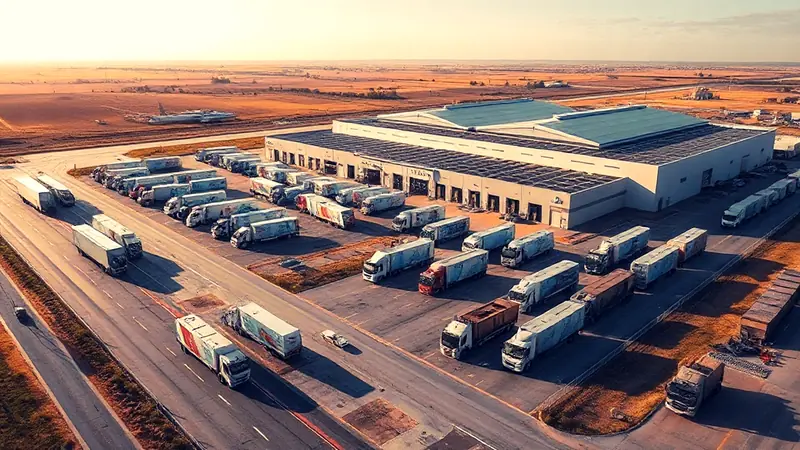
Starting July 18, 2026, Ukrainian drones systematically struck Wildberries warehouses on Russian territory. At least 18 logistics hubs were targeted, with damaged areas ranging between 893,000 and 1.15 million square meters—between 17% and 22% of the company's entire logistics network. The Elektrostal center near Moscow, spanning 250,000 square meters, was completely destroyed by fire.
Wildberries responded by seeking warehouse space in Kazakhstan. Ozon, which remained unscathed for longer thanks to a network distributed across smaller hubs, took its first hits on July 31 in Tatarstan and the Volgograd region. The EAEU is thus shifting from a zone of commercial expansion into a logistics safe haven for Russian operations.
State banks move in on ownership
In May 2026, VTB Bank, controlled by the Russian state, acquired a minority stake in Wildberries through a strategic partnership. Shortly after, Sberbank opened talks to take over nearly 32% of Ozon. Vladimir Chistyukhin, First Deputy Governor of Russia's Central Bank, described the partnership between state banks and marketplaces as "predetermined" at the St. Petersburg Economic Forum.
Toward a single digital market
The EAEU e-commerce agreement, reached in December 2024, sets common rules on offers, product listings and returns, fixing the standard return window at 14 days. The goal is a unified platform where sellers and marketplaces can operate without national barriers within the bloc.
The combination of customs barriers against outside competition, state-led financial consolidation and the search for alternative infrastructure under military pressure is redrawing the logistics map of Eurasia. The warehouses burning in Russia and the ones rising in Kazakhstan tell the same story of transition: a trade bloc integrating even as war accelerates its geographic reshuffle.