Key Takeaways
- Record-setting display: Nubia launches the Neo 5 Max with a 7.5-inch screen, 40% larger than traditional panels.
- PadPhone category: The device introduces a new hybrid segment between tablet and smartphone, geared toward mobile gaming.
- 7,100 mAh battery: Extended battery life paired with fast charging and bypass technology for marathon gaming sessions.
Nubia Unveils the 7.5-Inch PadPhone
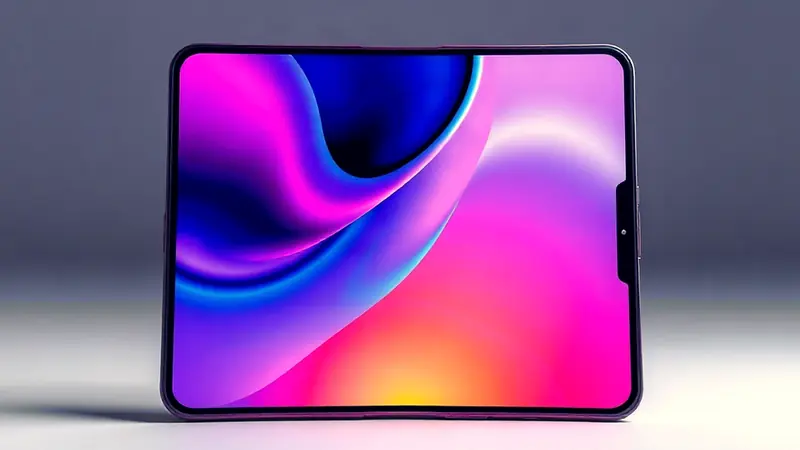
Nubia introduced the Neo 5 Max at MWC Shanghai 2026, a gaming smartphone featuring a 7.5-inch display, among the largest ever fitted on a mobile device. The company calls the product a "PadPhone," a category that merges tablet-sized dimensions with smartphone portability.
Panel Specs and Performance
The display, with an 18.7:9 aspect ratio, uses a 1.5K LCD panel at 2250×1080 resolution in the Shanghai showcase model; other variants feature an OLED FHD+ panel instead. Refresh rate sits at 120Hz, with 2160Hz PWM dimming to reduce eye strain during long sessions.
Powering the device is the MediaTek Dimensity 7100 chipset, swapped for the 7080 in some variants, paired with 8 or 12GB of LPDDR5X RAM and 256GB of storage. It ships running Android 16.

Battery and Thermal Management
The power system relies on a 7,000-7,100 mAh battery, with fast charging ranging from 45W to 80W depending on the version. Bypass mode powers the system directly during gameplay, keeping the battery out of the charging cycle to manage heat buildup.
The cooling system spans a dissipation area exceeding 30,000mm², featuring a dual vapor chamber and 3D VC structure. Temperatures hold steady at 38.4°C even through extended gaming sessions.
Dedicated Controls and Gaming Software
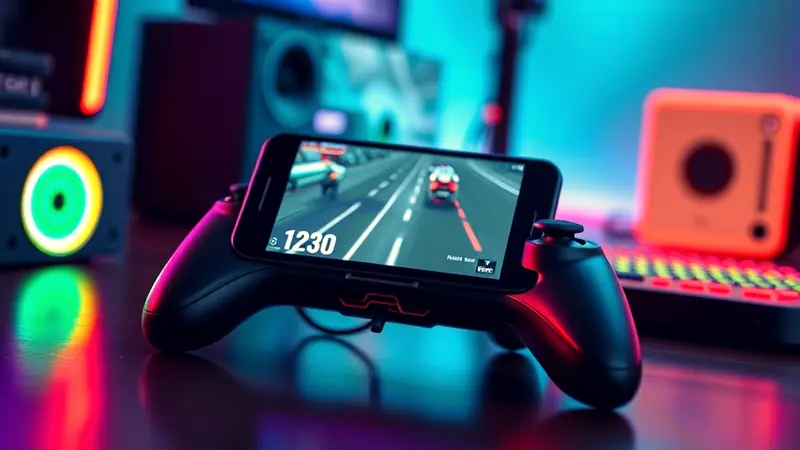
The device packs Neo Triggers 5.0, capacitive side sensors with sampling rates up to 990Hz, plus Magic Touch 3.0 technology to maintain precision even with sweaty hands. It supports an external game controller for a handheld console-like experience.
On the software side, the Neo 5 Max runs AI Game Space alongside the Demi 2.0 assistant, which includes a Gaming Coach feature offering real-time tips during matches.
Design and Availability
A dark green back panel with a soccer-ball texture and an octagonal camera module define the device's look. The main camera comes in at 50MP with 3x optical zoom.

The Neo 5 Max will roll out exclusively in overseas markets, with launch slated for mid-July 2026.
Key Takeaways
- Double the strength: The eco-brick more than doubles the minimum requirements of Australian building standards.
- Raw material: Made from spent coffee grounds mixed with clay and an alkaline activator, fired below 400°C.
- Industrial leap: Licensing deal between Swinburne University and Green Brick paves the way for large-scale production.
A Coffee-Ground Brick That Outperforms Building Standards
Researchers at Swinburne University of Technology in Melbourne have developed a brick made from spent coffee grounds that doubles the minimum strength required by Australian building standards. The project, led by Dr. Yat Wong, has already secured a licensing agreement with Green Brick for commercial production.
A Low-Energy Manufacturing Process
The compound comes from blending coffee grounds collected from cafés and restaurants with clay and an alkaline activator. Firing takes place at temperatures below 400°C, compared to the over 1,000°C required by conventional brick kilns. That temperature drop translates into energy savings of up to 80% and a proportional cut in CO₂ emissions tied to electricity use per unit produced.
Structural Strength Testing
Lab tests showed the material more than doubles the minimum structural strength requirements set by Australian standards. The result positions the brick as a genuine alternative to conventional building materials, not just a sustainability exercise.
Impact on Organic Waste
In Australia alone, coffee consumption generates roughly 10,000 tons of spent grounds every year. Globally, coffee waste production reaches 10 billion kilograms annually, material that releases methane emissions when sent to landfill.
From Research to Industrial Production
The licensing agreement with Green Brick, backed by Hampton Capital, marks the shift from research to commercialization. Green Brick founder Philip Ng stated that the goal is to redefine how building materials are evaluated, shifting focus toward parameters like carbon footprint, transparency, and circularity.
Dr. Wong described the brick as a material that is "lighter on energy, faster to produce, and designed to cut emissions," pointing to a solution ready for industrial-scale application in the construction sector.