Key Takeaways
- Estimated advantage: between 0.2 and 0.3 seconds per lap for Mercedes power units, up to 17 seconds over a 58-lap race.
- Technical loophole: heat-expanding materials allow the 16:1 compression ratio to be respected when cold and exceeded once hot.
- FIA intervention: from June 1, 2026, testing will also occur at 130°C, with checks conducted exclusively at operating temperature from 2027.
The Loophole in Article C.5.4.3
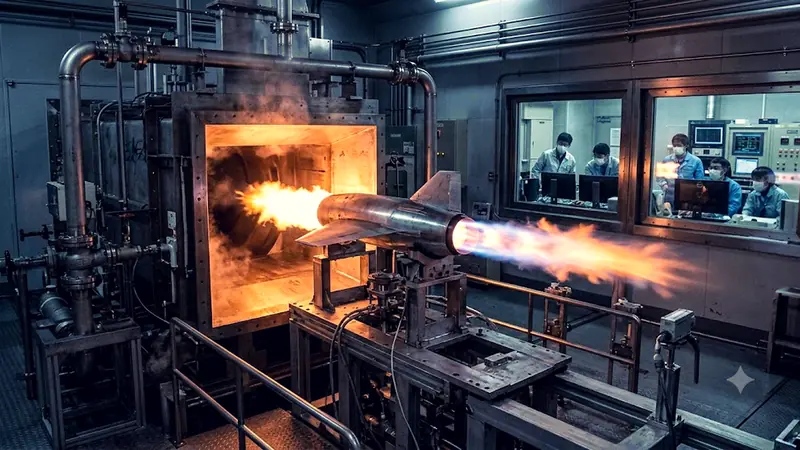
The 2026 technical regulations set the maximum geometric compression ratio for the new hybrid V6s at 16:1, down from the previous 18:1. The rule provides for checks under static conditions at ambient temperature. According to information emerging from winter testing, Mercedes allegedly exploited heat-sensitive materials to comply with the limit when cold, then increase compression, and therefore power, once operating temperatures were reached on track. The German power unit also equips McLaren, Williams, and Alpine.
The Opposition Front
Ferrari, Audi, and Honda sent a joint letter to the FIA, invoking Article C.1.5, which requires cars to comply "at all times during a competition." Toto Wolff rejected the accusations: "The power unit is legal. It matches how the regulations are written, how the checks are carried out." Red Bull Powertrains, initially aligned with Mercedes, later shifted position, a decisive step in reaching the required majority within the Power Unit Advisory Committee.
The FIA Compromise
Following a technical meeting in January and a PUAC summit during testing in Bahrain in February, the FIA announced a two-phase compromise. From June 1, 2026, between the Canadian Grand Prix and the Monaco Grand Prix, compression ratio measurement will also take place at 130 degrees Celsius. From 2027, checks will be carried out exclusively at operating temperature. Nikolas Tombazis, FIA single-seater director, explained the reasoning: "We don't want controversies. We want people to compete on track, not in court or in the stewards' room."
Mercedes' Time Advantage
Producing high-precision internal components can take up to 12 weeks, making a rapid adjustment to the new hot-temperature testing difficult. The budget cap on power unit manufacturers introduced in 2026 also discourages developing additional units for performance purposes. The compromise therefore leaves Mercedes with a potential advantage over the first seven races of a 24-race championship, a margin that could influence the final outcome of the title fight.