Key Takeaways
- Date and price: Launched on August 15, 1996 for around 10,000 Finnish markka (equivalent to roughly 2,200 euros today).
- Technical specs: QWERTY keyboard, a 4.5-inch monochrome display, 8 MB of internal memory, a 33 MHz processor, and a weight of nearly 400 grams.
- Market impact: Helped Nokia overtake Motorola in 1998; the company reached a 40% global market share in 2007, the same year the iPhone launched and triggered its decline.
The starting point: a device out of scale for 1996
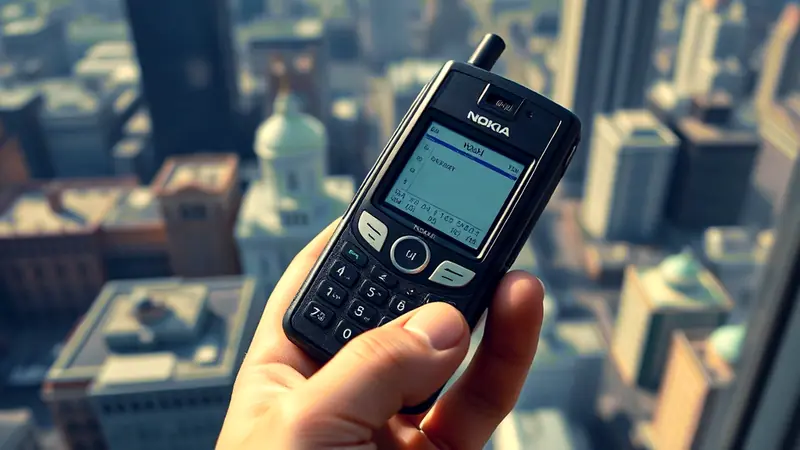
On August 15, 1996, Nokia released the 9000 Communicator, a device now retroactively classified as the first smartphone in history, arriving more than a decade before Apple's touchscreen revolution. Unveiled at CeBIT in Hannover in March of that same year, the device was built with a precise target in mind: managers and mobile professionals. Its promotional slogan, "the office in your back pocket," wasn't inflated marketing but an accurate functional description of what the product actually delivered.
Technical architecture: a thousand components versus a hundred
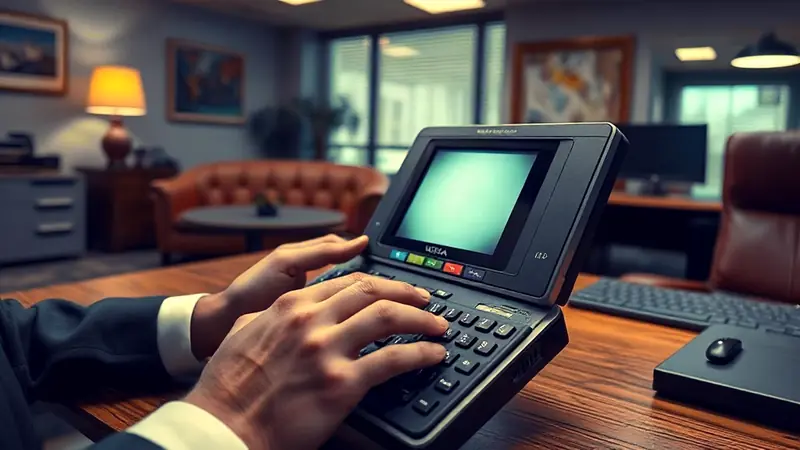
The Communicator packed a full QWERTY keyboard, a 4.5-inch monochrome display with 640×200 pixel resolution, 8 MB of internal memory, and a 33 MHz processor. It could send and receive faxes and emails, browse the web through a built-in modem, and handle a calendar, contacts, and spreadsheets, at a time when internet connectivity in offices was still the exception rather than the norm.
The device's internal complexity is the real marker of the technological leap it represented: the Communicator contained over a thousand components, compared to the 100-150 typical of phones from the same era. This engineering density came at a cost, a weight of nearly 400 grams and a thickness of four centimeters, figures that would push the device out of today's market entirely, but which in 1996 represented the maximum achievable given the miniaturization technology available at the time.
Price barrier and market segmentation
Its list price, around 10,000 Finnish markka (equal to about 2,200 euros or 2,550 dollars today), placed the Communicator on par with a mid-range computer. In Germany, the price reached 2,700 marks; in Poland, where the device arrived in 1998, the cost equaled several thousand złoty against an average salary of around a thousand złoty. This pricing structure limited its reach to managers and executives, turning the device into a status symbol rather than a mass-market product.
Industry validation and platform evolution
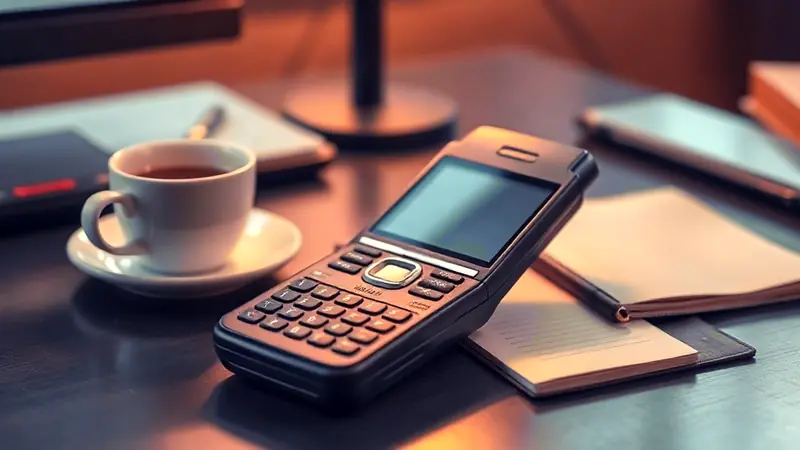
The attention generated by the Communicator even reached direct competitors: Bill Gates personally visited Nokia's booth at a trade show in Las Vegas to see the device, and Microsoft's internal IT department later purchased a significant number of units. The clamshell format became the foundation of the 9000 series, evolving into the lighter 9110 in 1999, and the 9210 in 2001 with a color screen, eventually adopting the Symbian operating system in later models.
Market trajectory: from breakthrough to collapse
The Communicator helped solidify Nokia's dominant position, and in 1998 the company overtook Motorola to become the world's top mobile phone manufacturer, a lead it held until 2012. In 2007, Nokia sold 40% of all mobile phones on the market worldwide. That same year, however, marked the arrival of the iPhone, which redefined the category with a touchscreen and an app ecosystem. Nokia continued producing smartphones but failed to convert its accumulated technological edge into a competitive response: outdated software, lower research investment, and a costlier production structure led to the decline of its mobile division.
Looking ahead: the legacy of an early vision
Today, the Nokia 9000 Communicator is a collector's relic, on permanent display at the Museum of Communication. Thirty years after its launch, what remains striking is the project's predictive power: a technically limited, expensive, and bulky device precisely anticipated the pocket-computer model that now defines everyday digital infrastructure.